
Electronics & Communication Engineering
About Department
About Department
About the Department
The ECE Department was established in the year 2005 with an intake of 60 students and this was increased to 120 students in the 2011 and increased to 180 students in the 2012. The department has an eminent faculty and well supported infrastructure and laboratories. The faculty keeps abreast with the latest advances in technology and ensures that hardware equipment and related software are upgraded to ensure its students are able to keep pace with current trends in technology and the industry.
The department also offers a Post Graduate course in VLSI Design started in the year 2011.
The students are encouraged to participate in workshops, industrial internship, industrial visits and seminars; along with the projects assigned during the course, these activities enable them to broaden their outlook and build in professionalism that makes their transition from college to industry smoother after graduation.
Welcome to the Department of Electronics and Communication Engineering. Our department is committed to academic excellence, innovation, research, industry collaboration, and holistic student development. We continuously strive to prepare students for successful careers in emerging technologies.
Post Graduate Programme
The Department of ECE offers a Post Graduate course in VLSI Design, started in the year 2011, to build advanced expertise in chip design and embedded systems.
Modern Laboratories
Well supported infrastructure and laboratories with hardware and software regularly upgraded to match industry trends.
Experienced Faculty
An eminent faculty that keeps abreast with the latest advances in electronics and communication technology.
Industry Exposure
Regular workshops, industrial internships, industrial visits and seminars to build professionalism in students.
VLSI Design (PG)
A dedicated Post Graduate programme in VLSI Design offered since 2011 for advanced learners.
Head of Department
The department aims to develop graduates with strong expertise in computation, algorithms, data structures, programming, software development, Artificial Intelligence, data analytics, cloud computing, Big Data, cybersecurity, and secure application development. Students are provided exposure to programming languages and technologies such as C, Python, Java, and open-source technologies, along with emerging areas relevant to industry and research.
The department has established Centres of Excellence and industry-supported initiatives in niche technological areas in collaboration with leading organizations such as PEGA Systems, CTS, TCS, Infosys, etc and other industry partners. These collaborations provide students and faculty with opportunities for exposure to current technologies, industry practices, hands-on training, certifications, internships, projects, and real-world problem solving.
The department follows a student-centric and experiential learning approach through a wide range of academic and co-curricular activities, including classroom teaching, seminars, student presentations, video lectures, MOOCs, NPTEL/SWAYAM courses, online learning, Minor and Honors programmes, internships, project-based learning, experiential learning, coding activities, hackathons, and industry-oriented training. These initiatives facilitate the development of technical competencies, problem-solving abilities, communication skills, teamwork, leadership qualities, innovation, and lifelong learning capabilities.
The Department of Computer Science and Engineering (CSE) has been recognized by Jawaharlal Nehru Technological University–Gurajada Vizianagaram (JNTU-GV) as a Research Centre for the academic years 2023–24, 2024–25, 2026–27, and 2027–28. This recognition reflects the department's sustained commitment to strengthening research, innovation, and advanced learning in Computer Science and Engineering and its emerging areas.
The department has a strong research-oriented faculty base. All eligible faculty members holding Ph.D. qualifications have been recognized as research guides by JNTU-GV, in accordance with the applicable university norms. The recognized research guides have been allocated research scholars and are actively engaged in guiding doctoral research in their respective areas of specialization.
The Research Centre provides a structured platform for faculty members and research scholars to undertake advanced and interdisciplinary research, publish research outcomes in reputed journals and conferences, pursue funded research, develop intellectual property, undertake consultancy and collaborative research, and address industry and societal challenges through innovative technological solutions. The department promotes a vibrant research culture through faculty research, doctoral research, student projects, publications, workshops, seminars, collaborations, and innovation-oriented activities.
Vision & Mission
Vision
To develop competent and innovative electronics and communication engineers with strong technical knowledge, ethical values, and human values, capable of meeting industrial, societal, and global challenges.
Mission
M1
To impart strong foundations in electronics, communication, and allied engineering domains through effective teaching–learning practices.
M2
To provide hands-on learning through laboratories, projects, internships, and industry exposure to enhance practical and problem-solving skills.
M3
To inculcate ethical values, human values, teamwork, leadership qualities, and effective communication skills for professional excellence.
M4
To promote lifelong learning, research aptitude, innovation, and adaptability to emerging technologies in electronics and communication engineering.
PEOs, POs & COs (UG)
Program Educational Objectives (PEOs)
Our graduates are expected to achieve the following educational objectives.
Graduates will establish successful careers in electronics, communication, IT, and allied industries or pursue higher education and research.
Graduates will analyze, design, and implement electronic and communication systems using modern engineering tools and techniques.
Graduates will demonstrate professionalism, ethical responsibility, effective communication, and teamwork in multidisciplinary environments.
Graduates will continuously upgrade their knowledge and skills to adapt to emerging technologies and societal needs.
Program Outcomes (POs)
Graduates of the program will attain the following outcomes.
Engineering Knowledge
Apply the knowledge of Mathematics, Science, Engineering fundamentals, and an engineering specialization to the solution of complex engineering problems.
Problem Analysis
Identify, formulate, research literature, and analyze complex engineering problems reaching substantiated conclusions using first principles of Mathematics, Natural Sciences and Engineering Sciences.
Design / Development of Solutions
Design solutions for complex engineering problems and design system components or processes that meet specified needs with appropriate consideration for public health, safety, environmental and societal factors.
Investigations of Complex Problems
Use research-based knowledge and research methods including design of experiments, analysis and interpretation of data, and synthesis of information to provide valid conclusions.
Modern Tool Usage
Create, select and apply appropriate techniques, resources, and modern engineering and IT tools including prediction and modelling to engineering activities with an understanding of their limitations.
The Engineer and Society
Apply reasoning informed by contextual knowledge to assess societal, health, safety, legal and cultural issues and understand the responsibilities relevant to professional engineering practice.
Environment & Sustainability
Understand the impact of professional engineering solutions in societal and environmental contexts and demonstrate the knowledge of, and need for, sustainable development.
Ethics
Apply ethical principles and commit to professional ethics, responsibilities and norms of engineering practice.
Individual & Team Work
Function effectively as an individual and as a member or leader in diverse teams and multidisciplinary environments.
Communication
Communicate effectively with the engineering community and society at large through reports, presentations, documentation and clear technical discussions.
Project Management and Finance
Demonstrate knowledge and understanding of the engineering and management principles and apply these to one’s own work, as a member and leader in a team, to manage projects and in multidisciplinary environments.
Life-long Learning
Recognize the need for, and have the preparation and ability to engage in independent and life-long learning in the broadest context of technological change.
Program Specific Outcomes (PSOs)
Students graduating from the program will be able to achieve the following program specific outcomes.
Ability to analyze, design, and troubleshoot analog and digital electronic systems, communication systems, and signal processing applications.
Ability to apply electronics and communication engineering principles to develop solutions in areas such as wireless communication, embedded systems, VLSI, and IoT.
Course Outcomes (COs)
Select the regulation to view the Course Outcomes document.
PEOs, POs & COs (PG)
Program Educational Objectives (PEOs)
Our graduates are expected to achieve the following educational objectives.
To educate and train the graduates with knowledge and skills necessary to formulate, design and solve problems in analog, digital & mixed signal VLSI Embedded system design, VLSI Signal processing & Hardware Software Co-design.
Pursue career in research in the various fields of VLSI and Embedded Systems domain through selflearning on cutting edge technologies.
Program Specific Outcomes (PSOs)
Students graduating from the programme will be able to achieve the following.
To design and develop VLSI circuits by learning advanced design techniques and algorithms to optimize design parameters requirement.
Integration of embedded co-design for design methodologies in embedded & IoT applications.
Program Outcomes (POs)
Graduates of the programme will attain the following outcomes.
Engineering Knowledge
Demonstrate knowledge with ability to select, learn and apply appropriate techniques, skills and modern engineering tools to solve engineering problems appropriate to the relevant discipline.
Problem Solving
Analyse engineering problems critically, conceptualize, design, implement and evaluate potential solutions in the context of the relevant discipline.
Research & Development
Independently carry out research, investigation and development work to solve practical problems.
Professional Growth
Function effectively as an individual and in a team to possess knowledge and recognize opportunities for career progression and research.
Professional Communication
Communicate effectively in professional practice through verbal and written formats.
Life-long Learning
Recognize the need for self-motivated pursuit of knowledge to show commitment and competence in the broadest context of technological change.
Course Outcomes (COs)
Select the regulation to view the PG Course Outcomes.
Faculty Members


Academic Information
Faculty Achievements
Journals
Mr. V. Siva Bhaskar Rao – HOD
Has published a journal titled "Energy Efficiency Maximization in 5G" in Shanghai Jiaotong University, September 2020.
Mr. V. Siva Bhaskar Rao – HOD
Has published a journal titled "Spectral Efficiency and Data Rate Maximization 5G" in Journal of Critical Reviews, August 2020.
Mr. K. Suribabu
Has published a journal titled "Efficient Design of Approximate Multiplier Using High-Speed Adder Compressor".
Journal: JETIR
Volume: 8, Issue: 11, Date: November 2021
Faculty Development Programs
Ms. B. Pravallika
Participated in an FDP on "Python & Advanced Teaching Techniques", offered by CEMCA and APITA, 30th May to 3rd June 2022.
Mrs. J. Sujatha
Participated in an FDP on "Python & Advanced Teaching Techniques", offered by CEMCA and APITA, 30th May to 3rd June 2022.
Mrs. K. Shyamala
Completed an online workshop on "VLSI Design Using EDA Tools" at AIET, 18th–22nd April 2022.
Mr. M. Shalem Raju
Completed an online workshop on "VLSI Design Using EDA Tools" at AIET, 18th–22nd April 2022.
Mrs. S. Sowjanya
Participated in a 40-hour online Faculty Development Program on "Machine Learning for Signal Processing" at Vizag Institute of Technology, 25th Oct – 5th Nov 2021.
Conferences
Mr. V. Siva Bhaskara Rao – HOD
Presented a paper titled "Bit Error Rate (BER) Performance of Various Digital Modulation Scheme in Three User NOMA Using SIC Under Rayleigh Fading Channel" at AIET, 6th–7th May 2022.
Mr. P. Santosh Kumar
Presented a paper titled "Bit Error Rate (BER) Performance of Various Digital Modulation Scheme in Three User NOMA Using SIC Under Rayleigh Fading Channel" at AIET, 6th–7th May 2022.
Mr. K. Suribabu
Presented a paper titled "Statistical Features Based Selfie Sign Language Recognition Using ANN Filter" at ACCES-2022, AIET, VZM, 6th–7th May 2022.
Mrs. K. Shyamala
Presented a paper titled "Statistical Features Based Selfie Sign Language Recognition Using ANN Filter" at ACCES-2022, AIET, VZM, 6th–7th May 2022.
Mr. R. Aneel Kumar
Presented a paper titled "Design of High Speed 2-bit Comparator Using QCA Technique" at ACCES-2022, AIET, VZM, 6th–7th May 2022.
Student Achievements
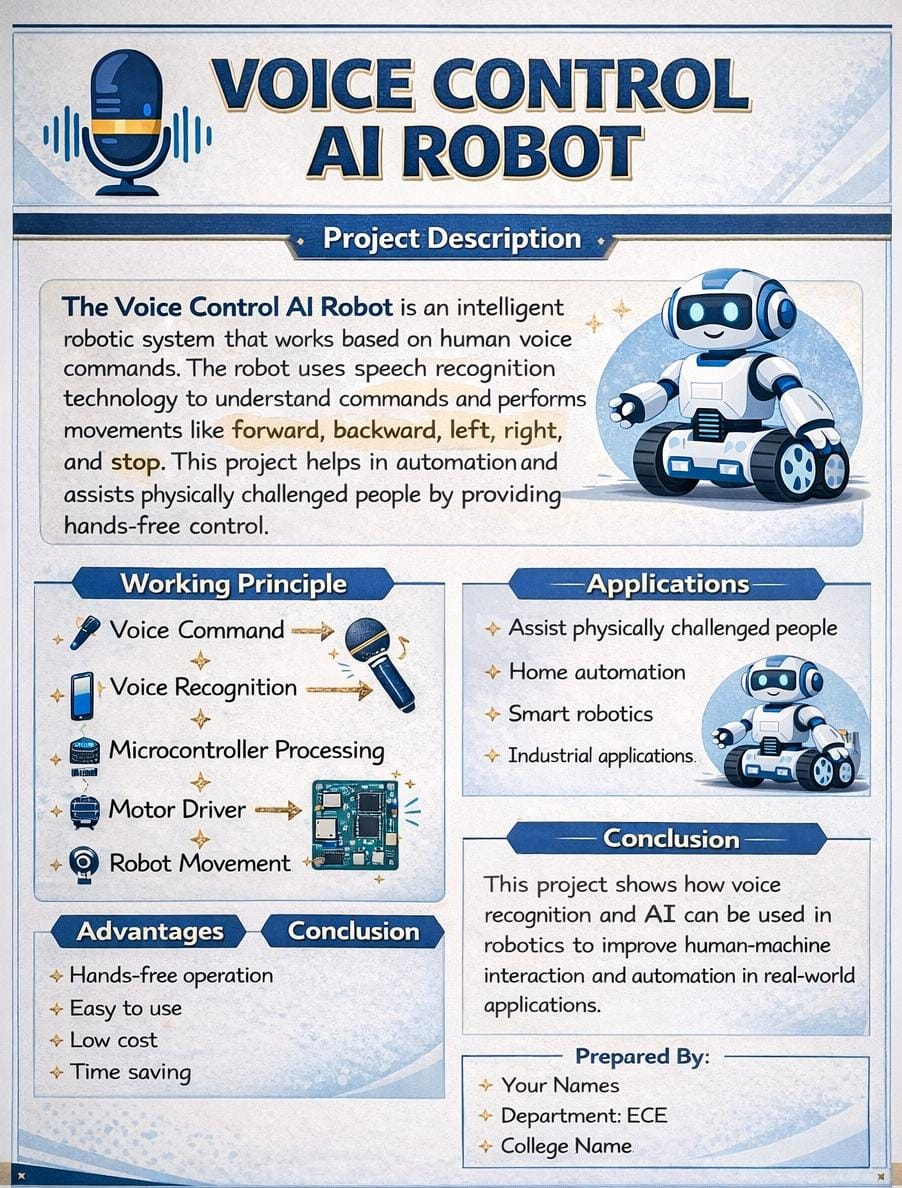
AI Enabled Voice Controller and Wi-Fi Control Robot
Project Name: AI Enabled Voice Controller and Wi-Fi Control Robot
Robo Name: ORION-2026
Done By: IV ECE Students
Guide Name: Dr. P. Sankara Rao, Dept of ECE
Ms. Aayushee Sen
Participated in the event Paper Presentation and secured First Prize on the occasion of Gyan 2K22, conducted by AIET, Tagarapuvalasa, on 11th & 12th March 2022.
Mr. Kosuri Manikanta — Roll No. 21Q75A0406
Participated in the event Photography and secured Second Prize on the occasion of Gyan 2K22, conducted by AIET, Tagarapuvalasa, on 11th & 12th March 2022.
Mr. Gondesi Anil Reddy — Roll No. 19Q71A0435
Participated in the 2nd South India Goju-Ryu Open Karate Championship – 2021, held at Shadikhana, Nidadavole, W.G. Dist, Andhra Pradesh, India, on 5th September 2021, and was placed First in the event for Boys.
Mr. Gondesi Anil Reddy — Roll No. 19Q71A0435
Participated in the 12th AP State Invitational Kenyu-Ryu Karate Championship – 2021, held at TNR Function Hall, B.C. Road, New Gajuwaka, VSKP, in April 2021, and achieved Gold in the open category.
Internships & Industrial Visits
Industrial Visits
The Department of Electronics & Communication Engineering regularly organizes industrial visits to provide students with practical exposure to industrial environments, research organizations and modern technologies, helping them understand the practical implementation of engineering concepts beyond the classroom.
Visit to All India Radio, Siripuram
125 ECE 2nd Year students visited All India Radio, Siripuram, Visakhapatnam, Andhra Pradesh, on 30th & 31st March 2023.
Visit to AMTZ & The Kalam Institute of Health Technology
48 ECE 4th Year students visited AMTZ, funded by the Department of Bio-Technology, and The Kalam Institute of Health Technology, on 19th April 2022.
Visit to NSTL
48 ECE 4th Year students visited NSTL, organized under DRDO's Directorate of Naval R&D, on 22nd April 2022.
Visit to AMTZ & The Kalam Institute of Health Technology
112 ECE 3rd Year students visited AMTZ, funded by the Department of Bio-Technology, and The Kalam Institute of Health Technology, on 22nd & 27th April 2022.
Visit to AMTZ & The Kalam Institute of Health Technology
98 ECE 2nd Year students visited AMTZ, funded by the Department of Bio-Technology, and The Kalam Institute of Health Technology, on 19th & 21st April 2022.
Workshops
Workshop on Embedded Systems
Benefits of Industrial Visits & Workshops
These programmes help students strengthen technical knowledge, improve communication skills, understand professional ethics, enhance teamwork, develop problem-solving abilities and gain confidence to meet industry expectations. They also create opportunities for internships, placements and higher education by connecting students with professionals from various organizations.
Academic Toppers
Celebrating Academic Excellence
The Department of Electronics & Communication Engineering proudly recognizes students who have demonstrated outstanding academic performance through consistent hard work, dedication, and excellence. Their achievements inspire every student to strive for higher goals.
Course: B.Tech | Semester: I-II | Batch: 2024 - 2025
| S.No | Hall Ticket No. | Branch | Name of the Student | SGPA | Image |
|---|---|---|---|---|---|
| 1 | 24Q71A0465 | ECE | Gunisetty Manu Saharchita | 10.00 |  |
| 2 | 24Q71A0485 | ECE | Killana Bala Ramakrishna | 9.71 | 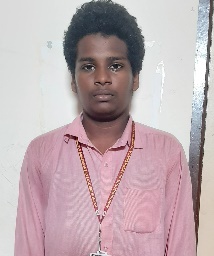 |
| 3 | 24Q71A0432 | ECE | Chintada Akhila | 9.63 |  |
Toppers Over the Years

Congratulations to All Academic Toppers
Your dedication, perseverance, and commitment to excellence have brought great pride to the department. We wish you continued success in your academic and professional journey.
Placements
Activities
Student Activities
Technical training, industrial visits, workshops and guest lectures organized by the Department of Electronics & Communication Engineering.
External CRT for II Year ECE Students
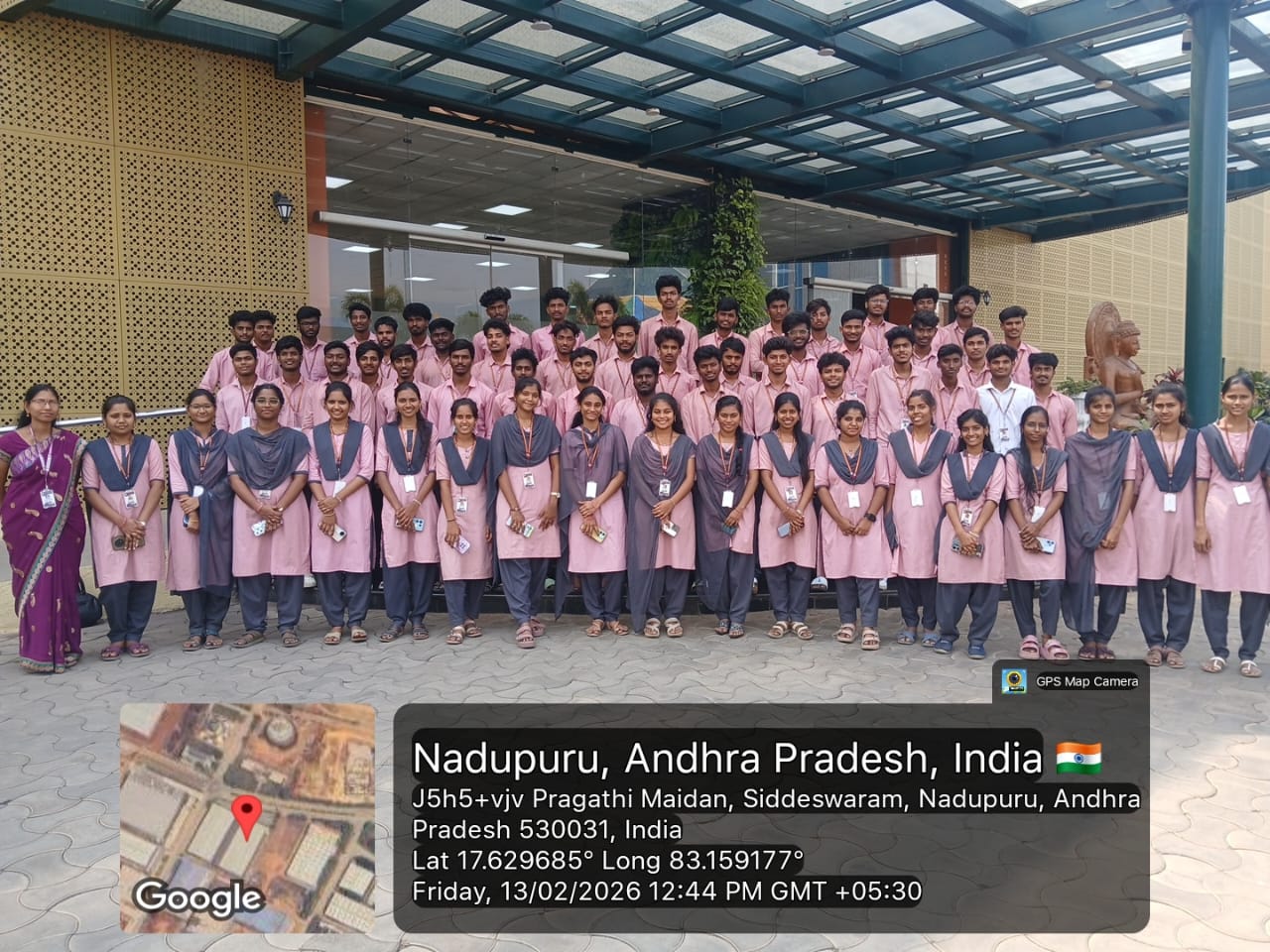
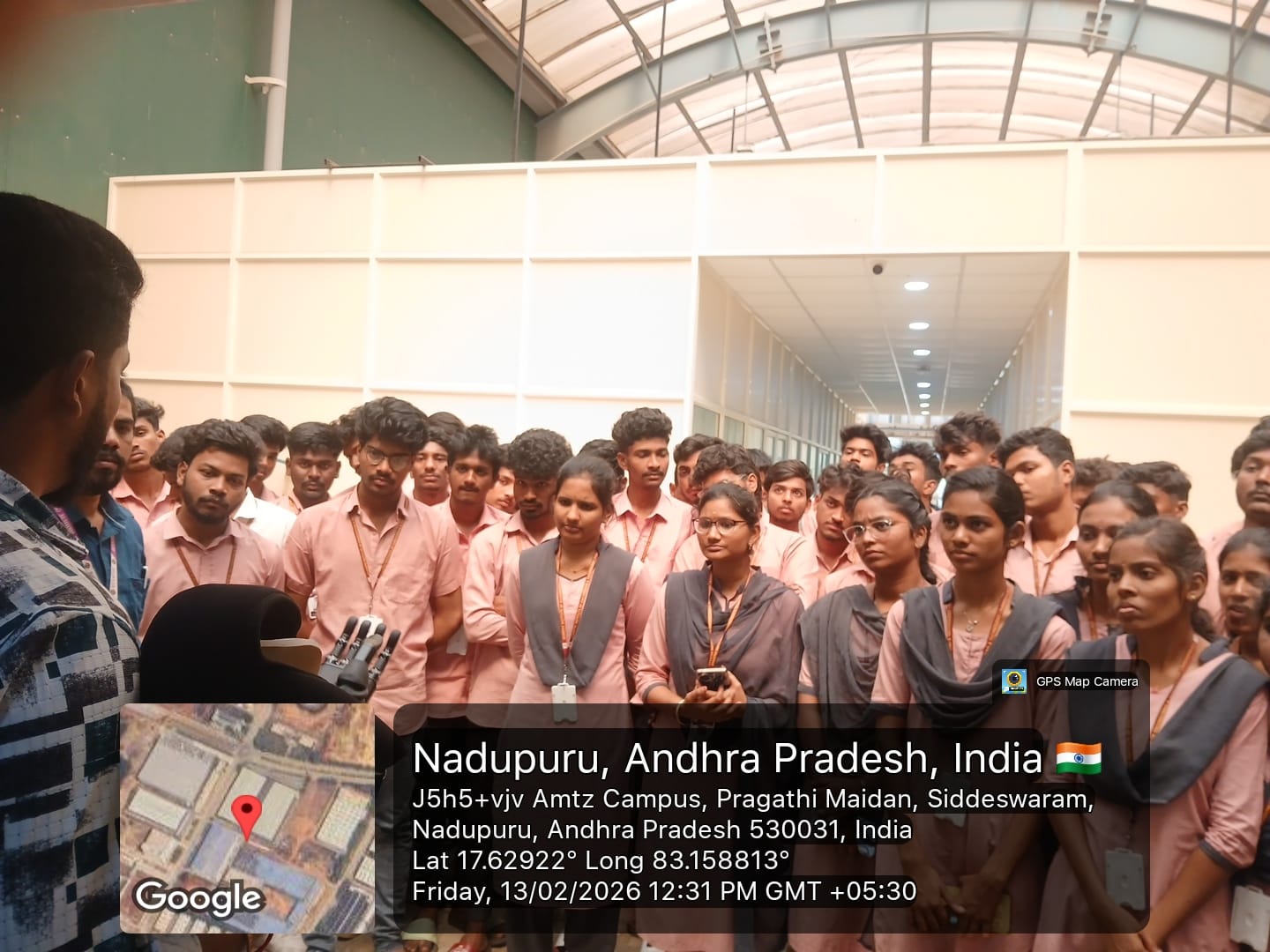
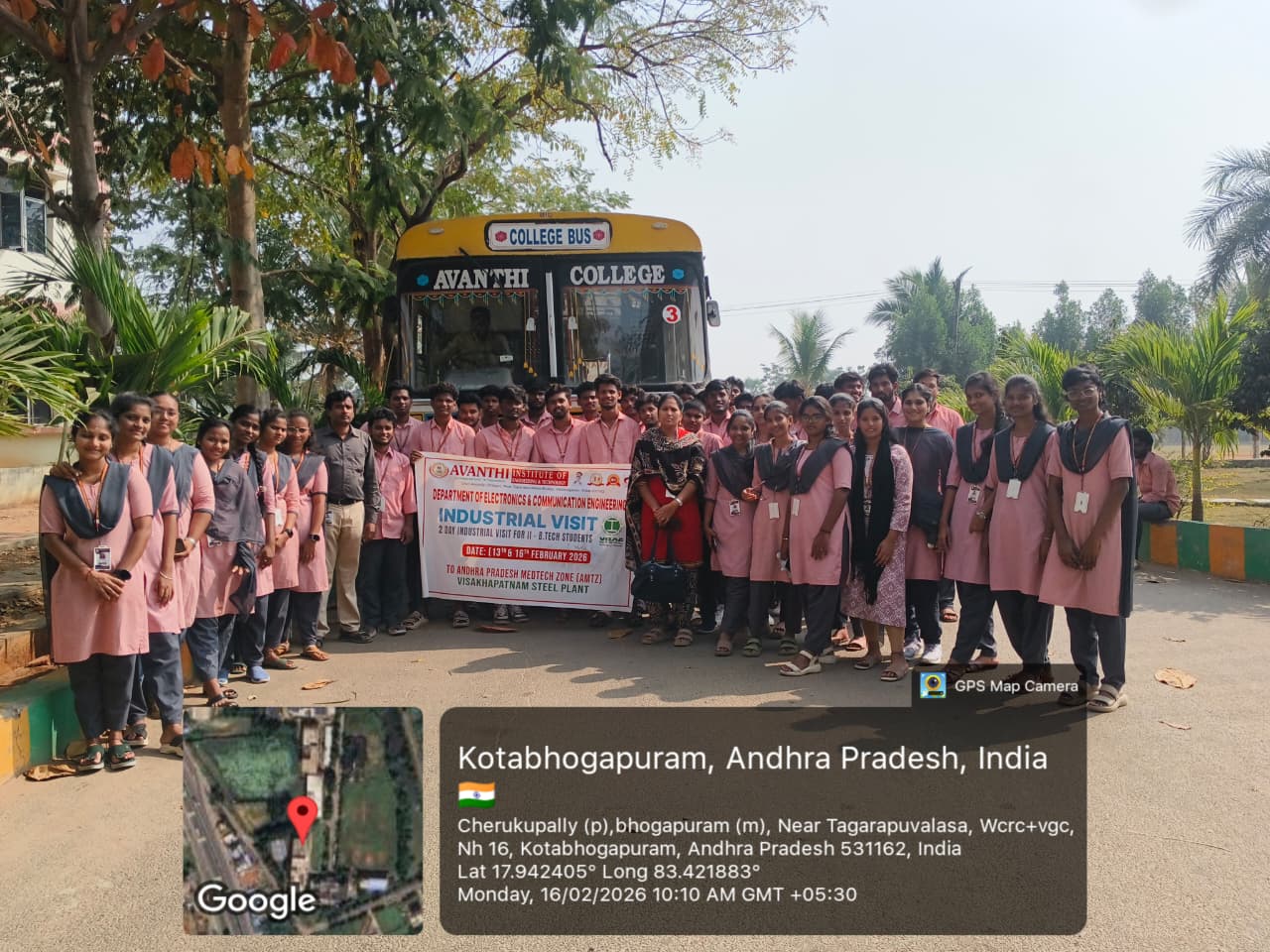
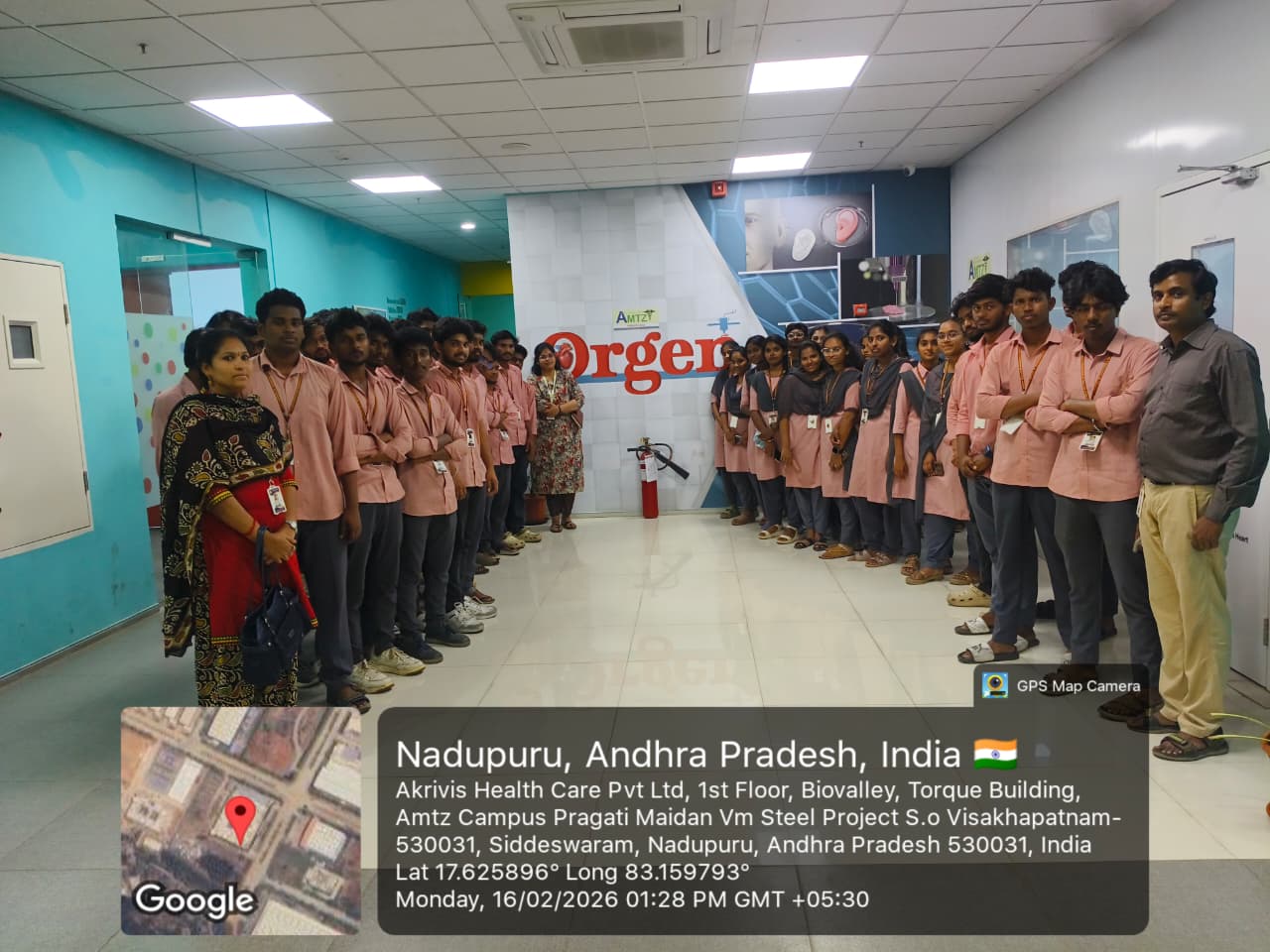
2 Day Industrial Visit to AMTZ for 2nd ECE
Second year ECE students undertook a two day industrial visit to AMTZ on 13th and 16th February 2026.
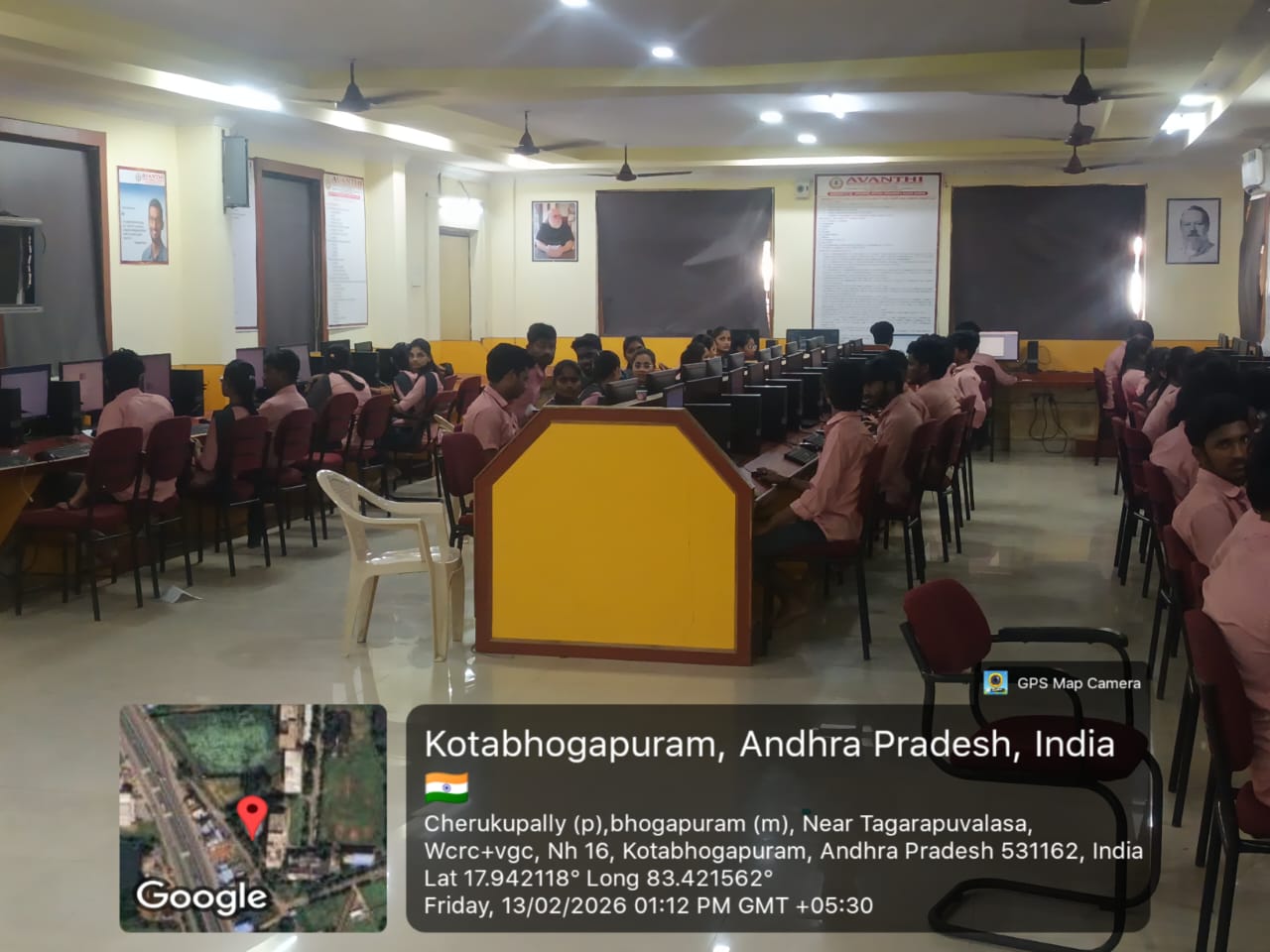
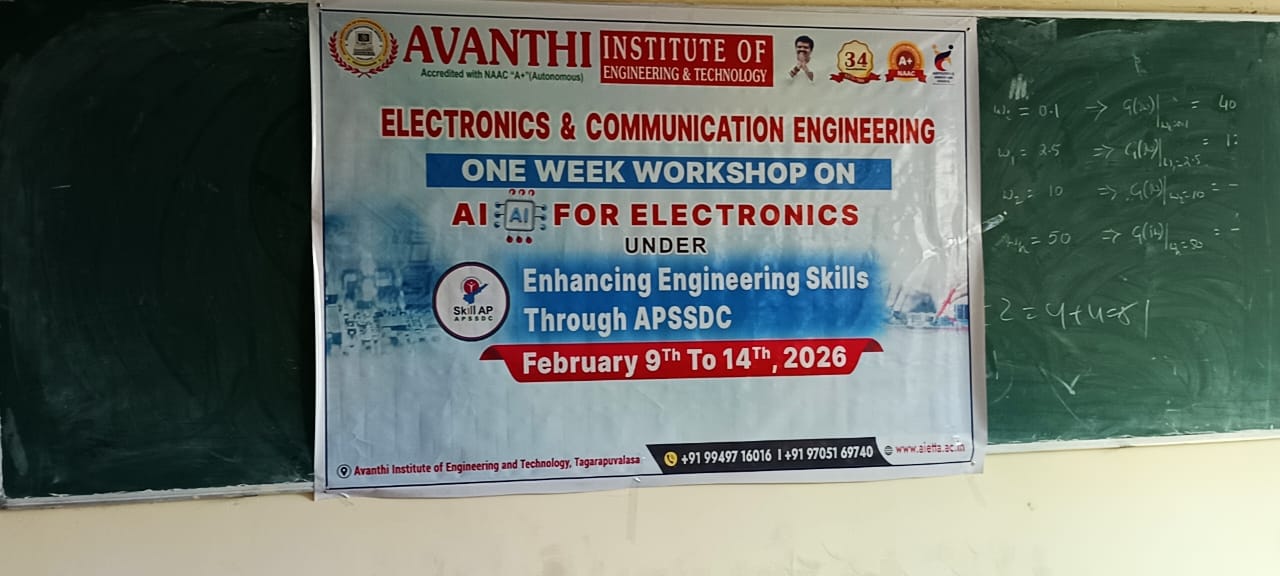
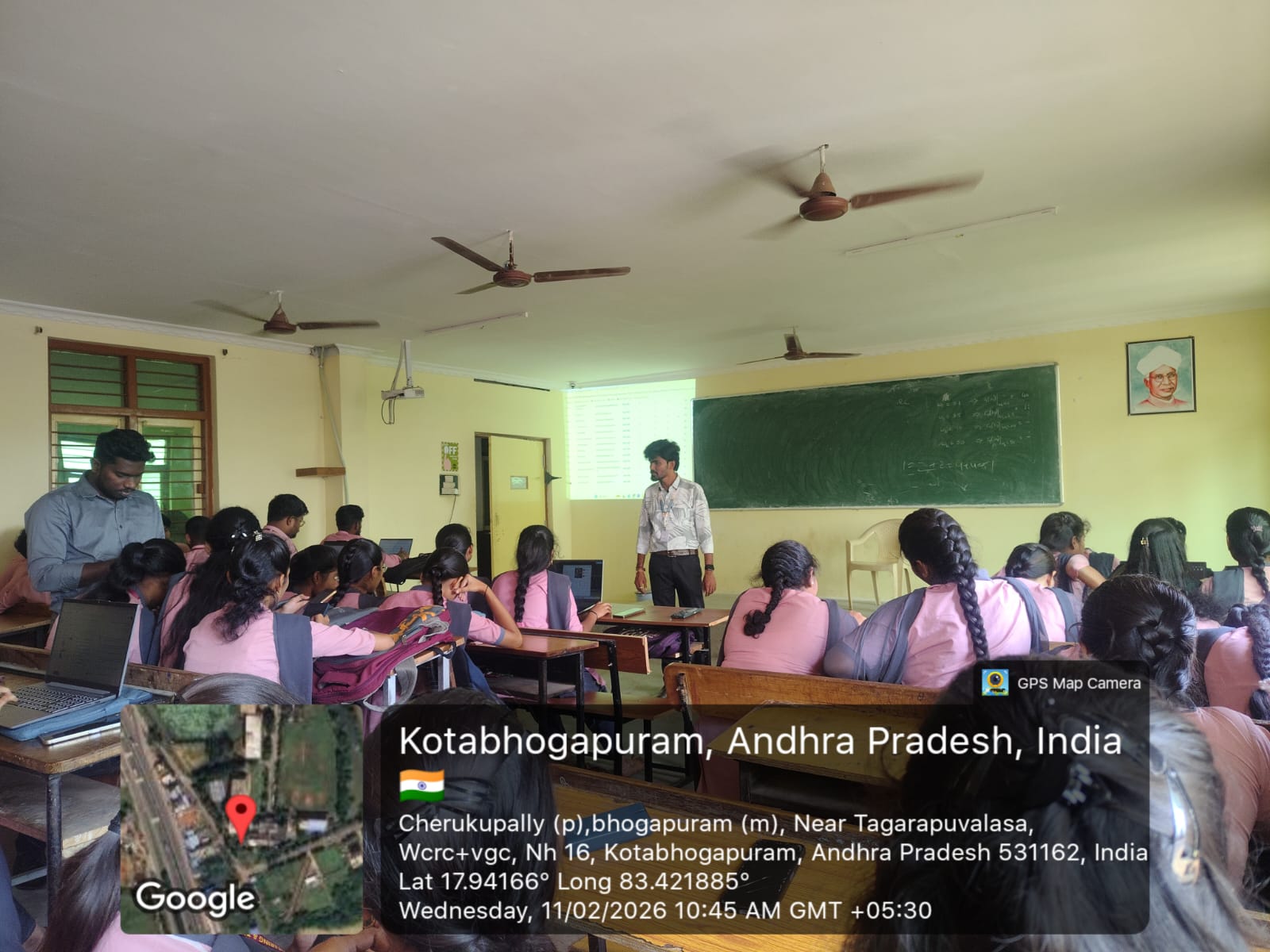
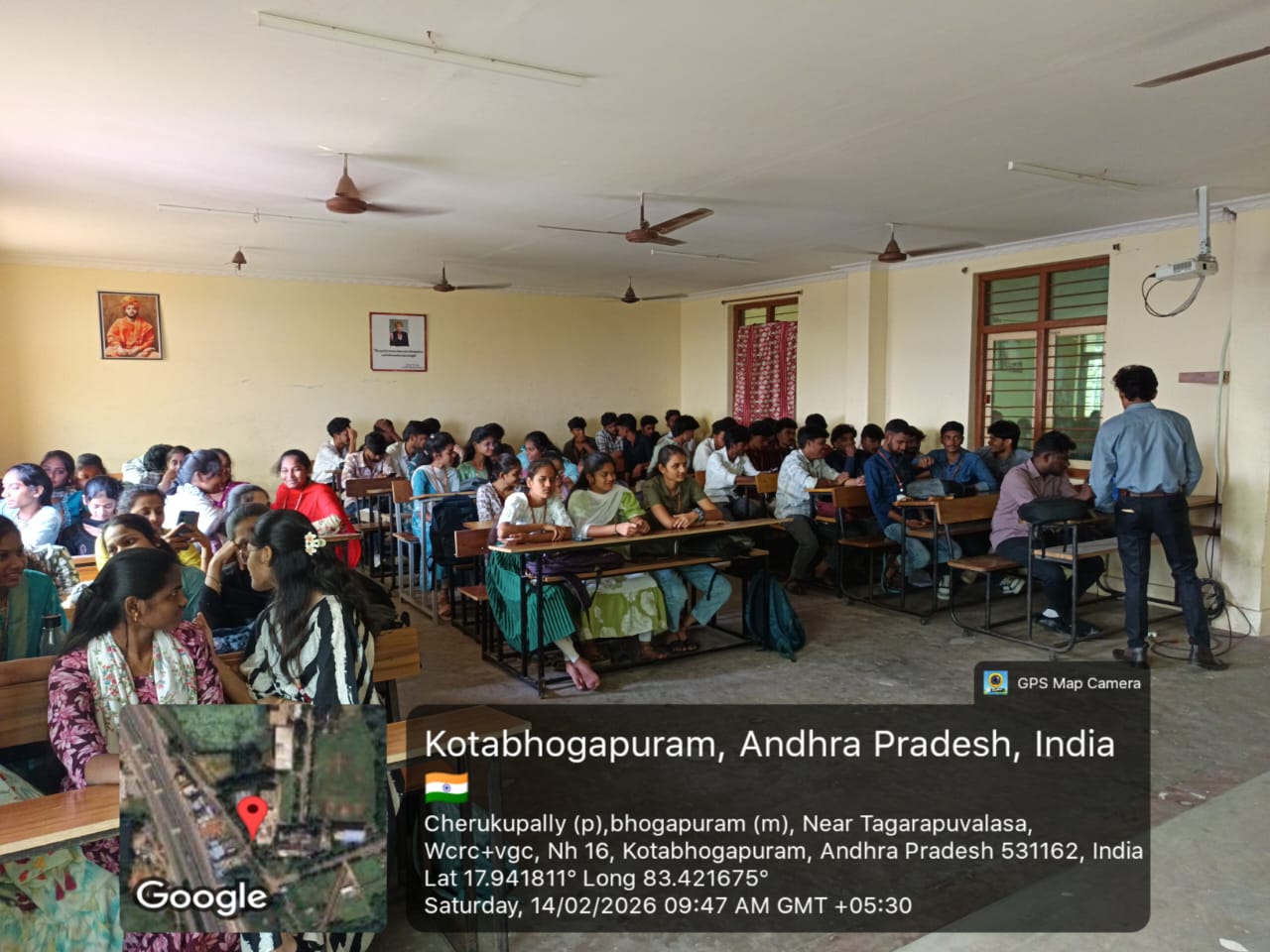
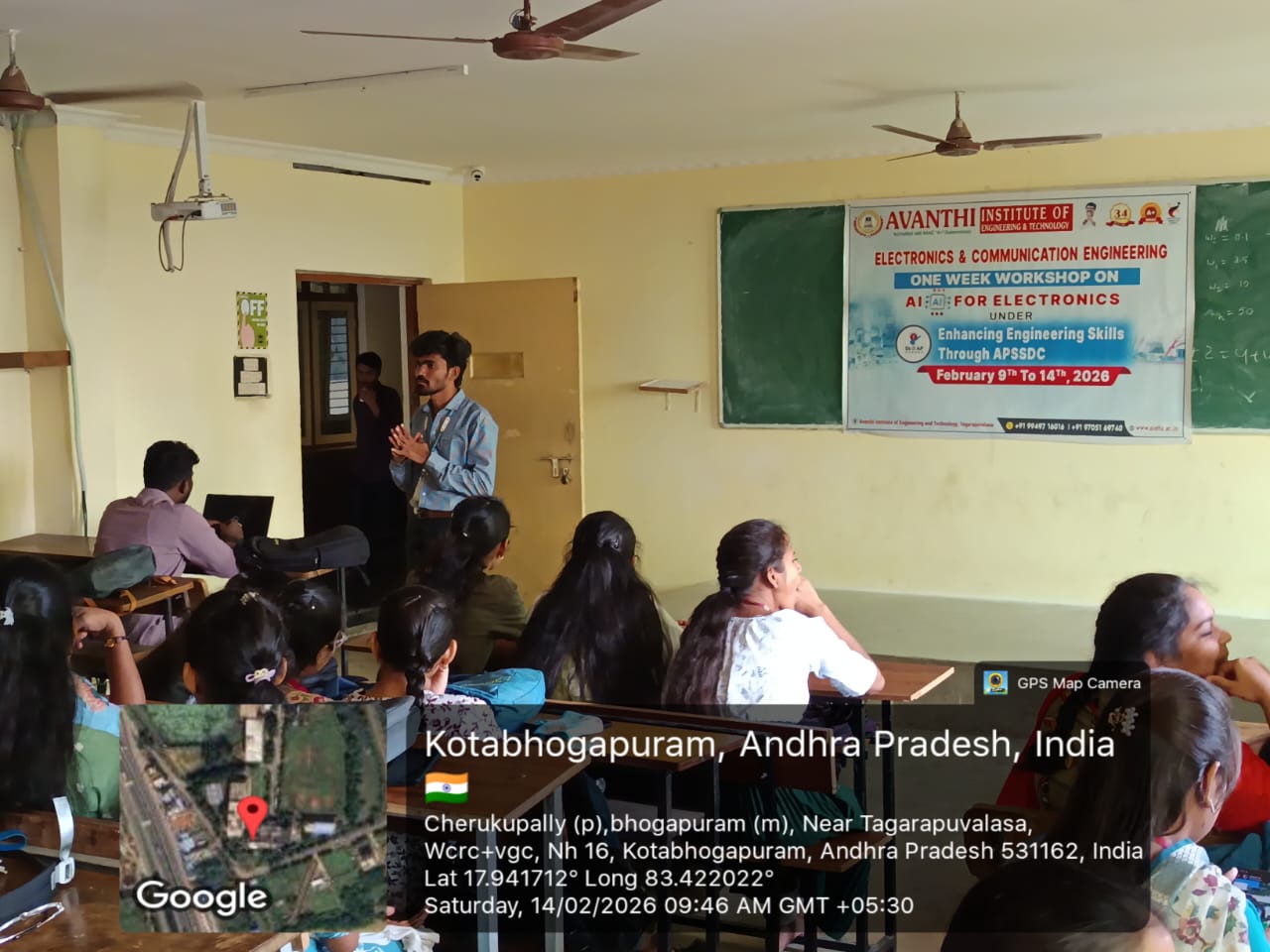
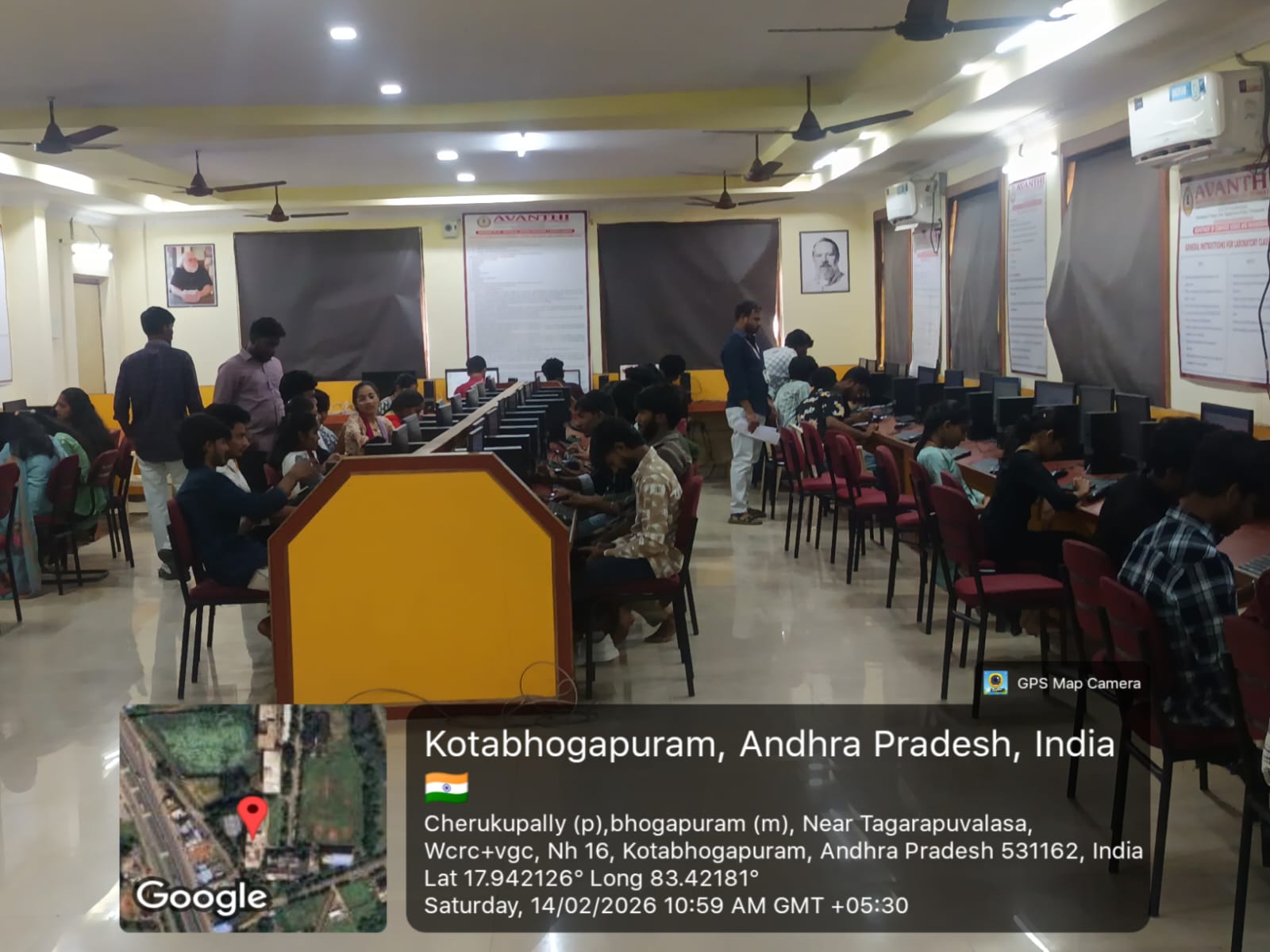
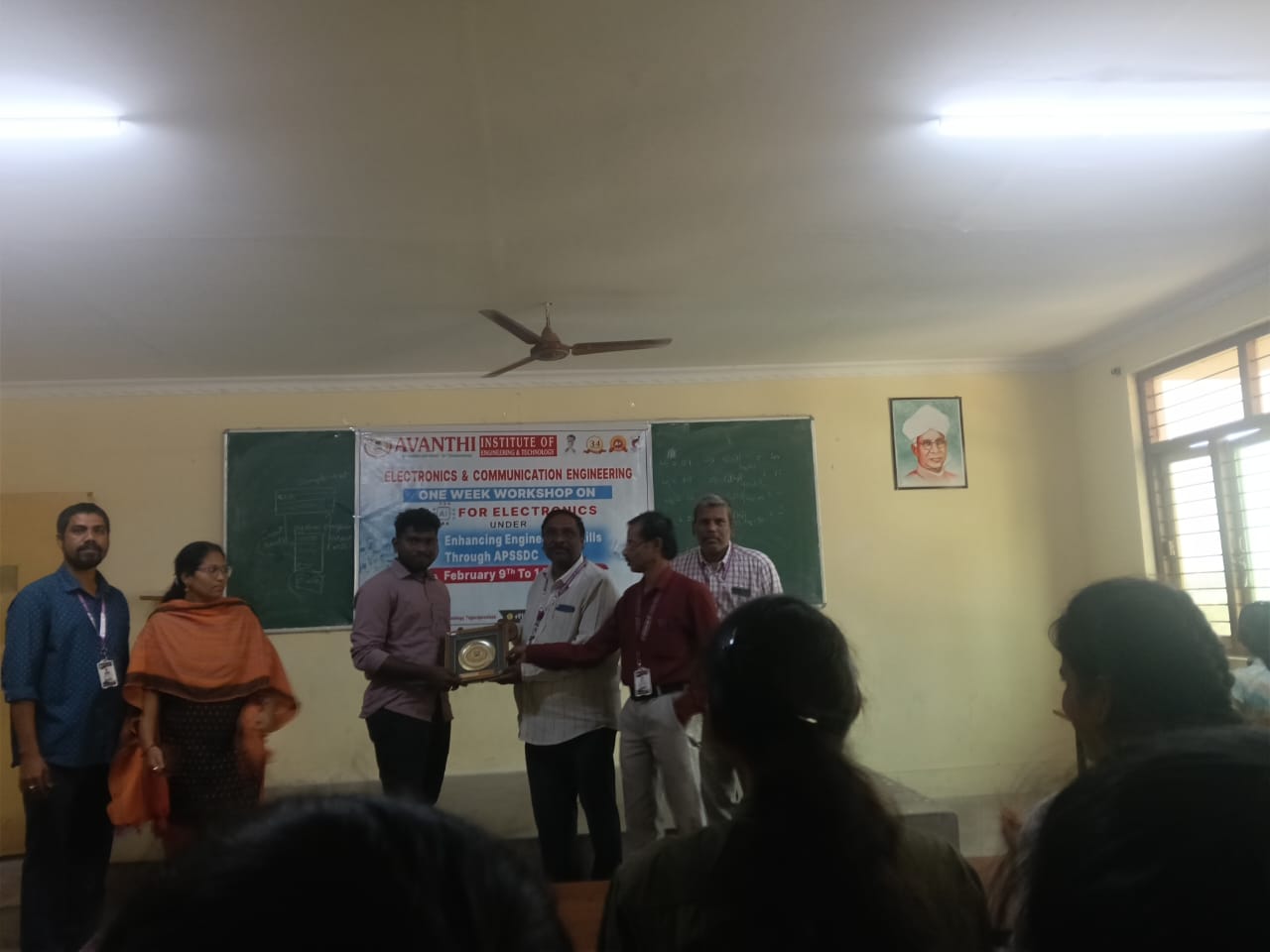
One Week Workshop on AI for Electronics
A one week workshop on "AI for Electronics", focused on enhancing engineering skills, was conducted under APSSDC.
Guest Lectures
Distinguished academicians regularly deliver guest lectures to expose ECE students to current technologies, advanced concepts and industry practices.
Guest Lecture on "Electronic Device Circuits"
A guest lecture on "Electronic Device Circuits" was delivered for II year ECE students by Dr. Suribabu Naidu, from GITAM, Vskp.
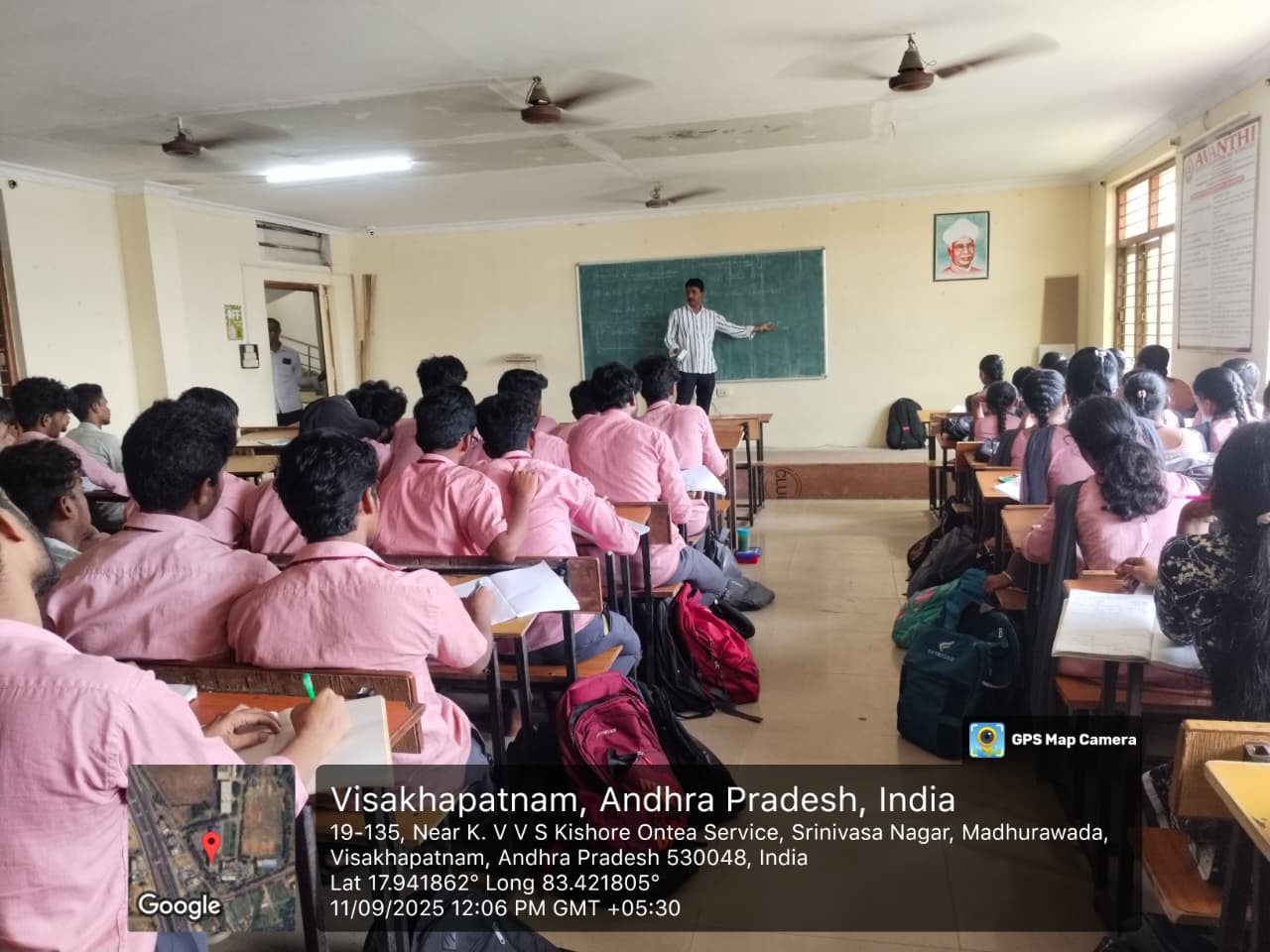
Guest Lecture on Advanced Signal Processing
A guest lecture on Advanced Signal Processing was delivered for 2nd ECE students by Dr. D. Suresh, Associate Professor from GMRIT.
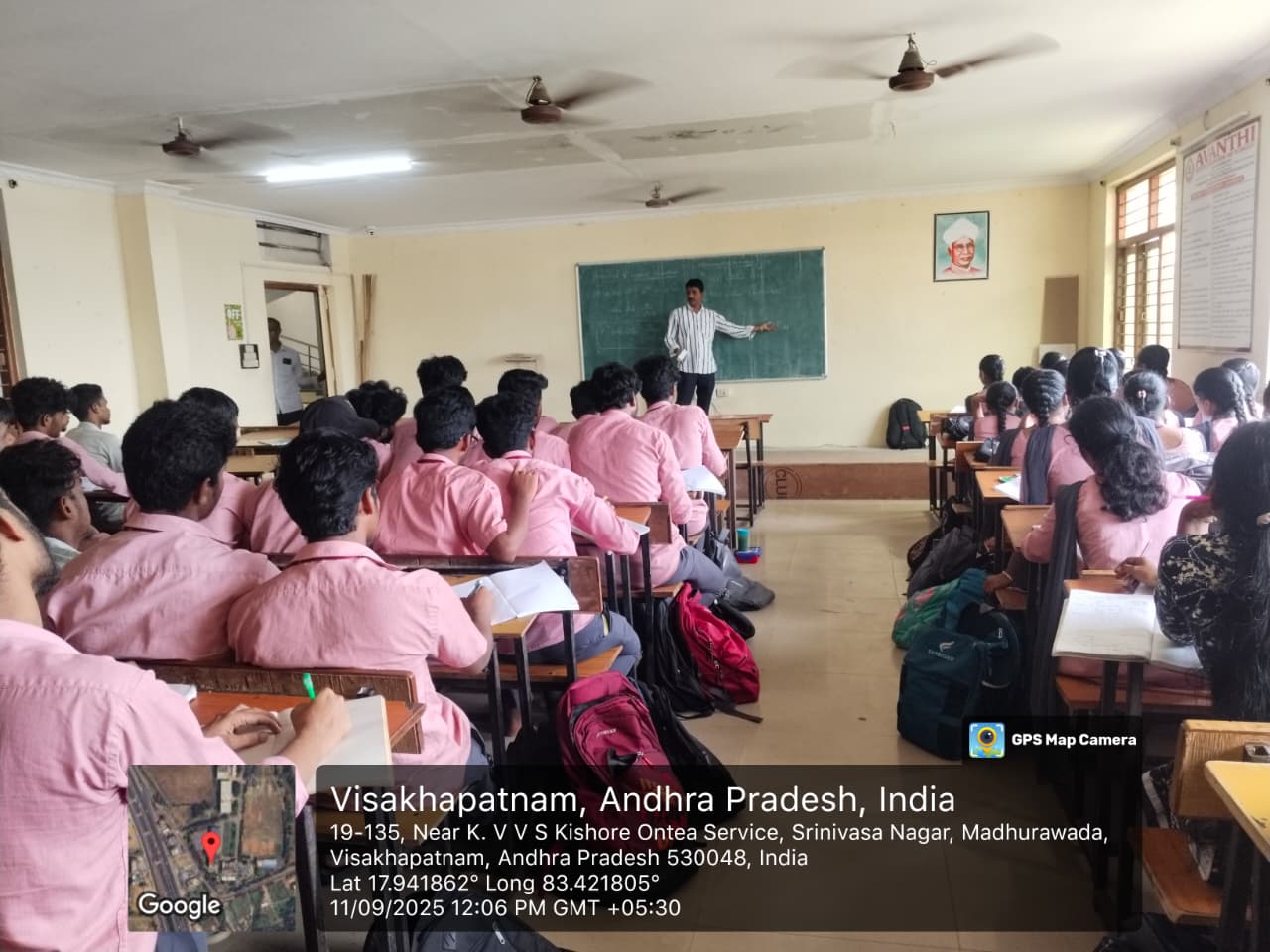
Guest Lecture on EMWTL
The Department of ECE conducted a guest lecture on EMWTL by Dr. K.C.B. Rao, Professor from JNTU-GV(A), for 2nd ECE students.
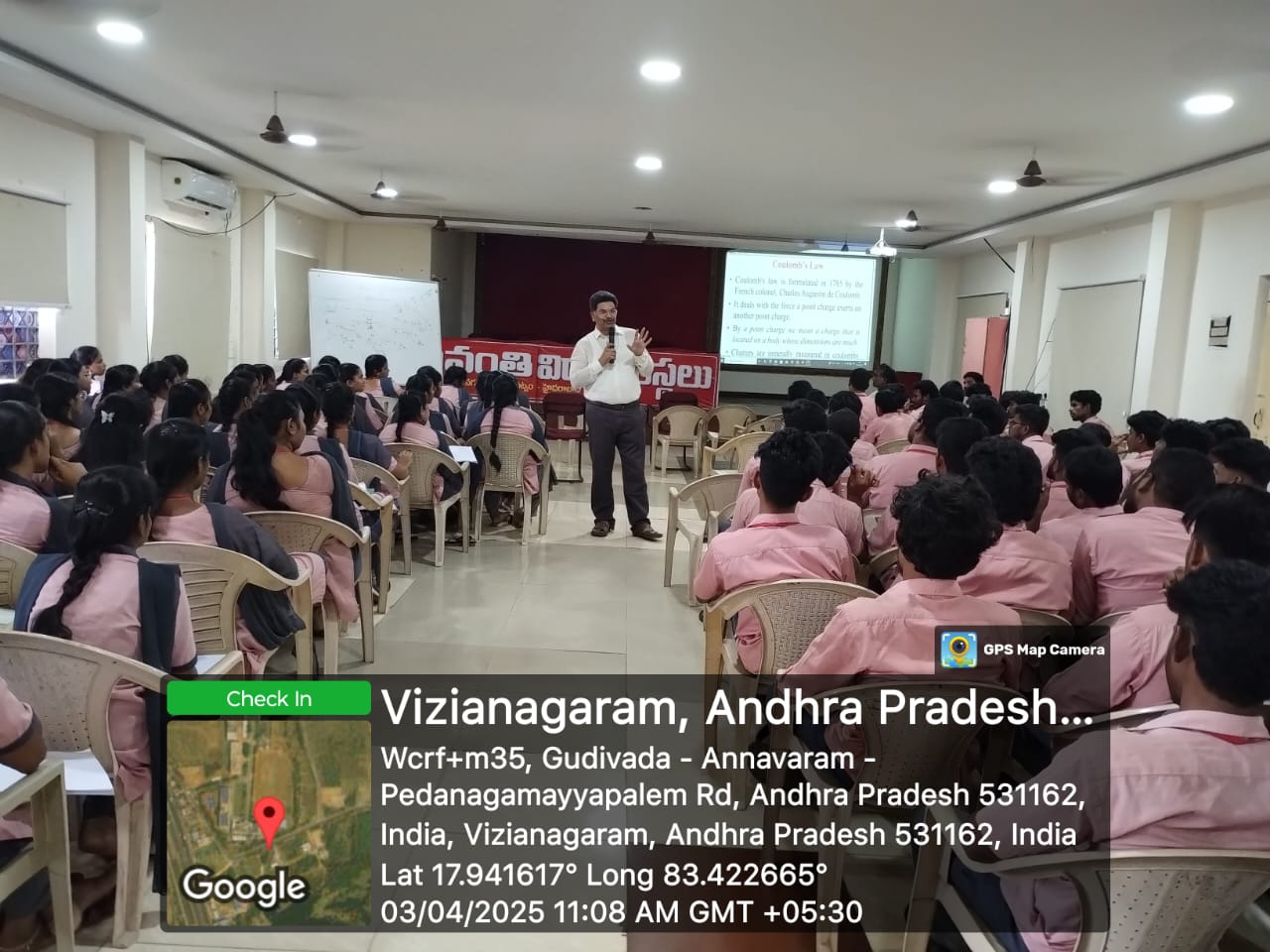
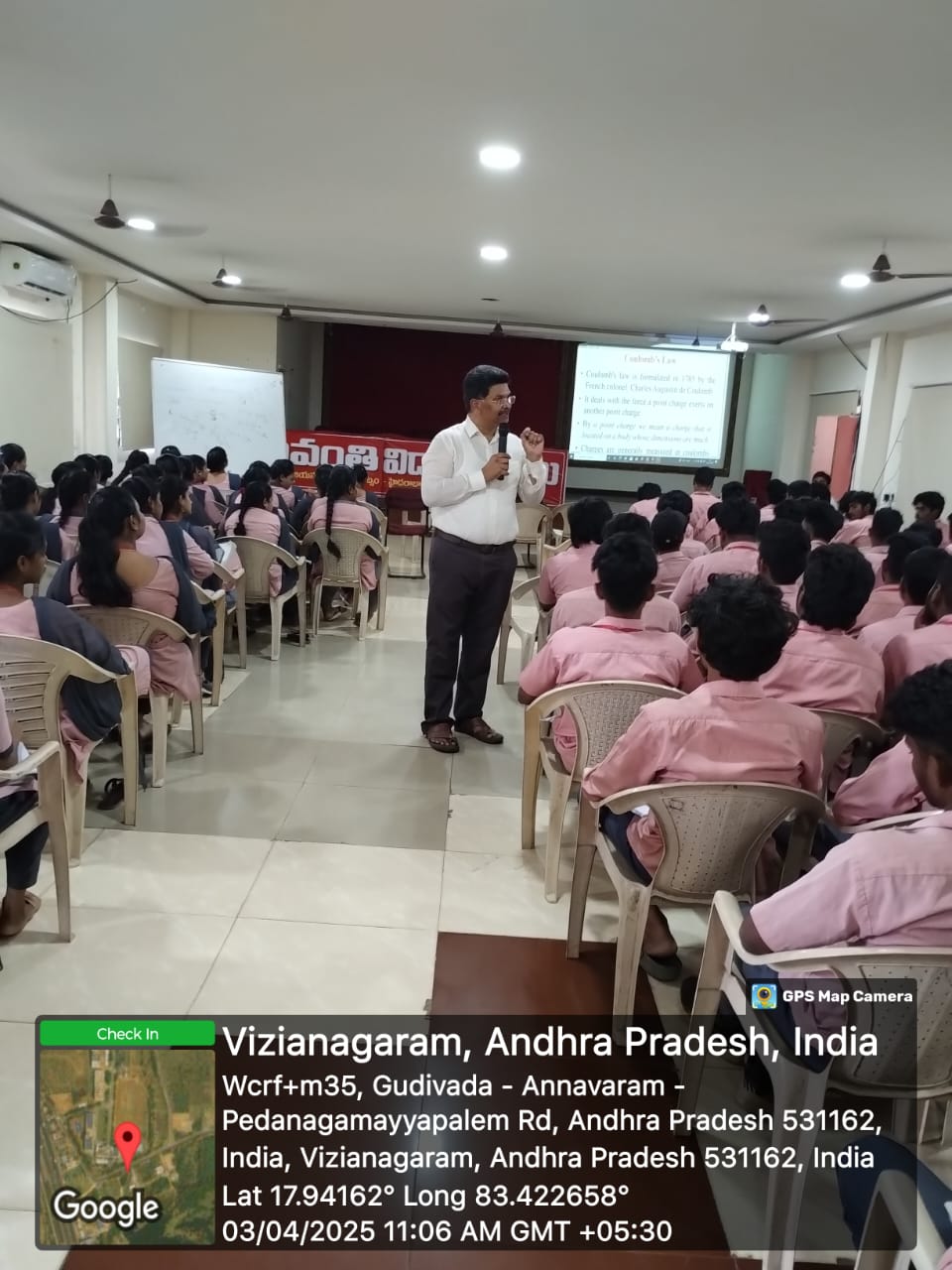
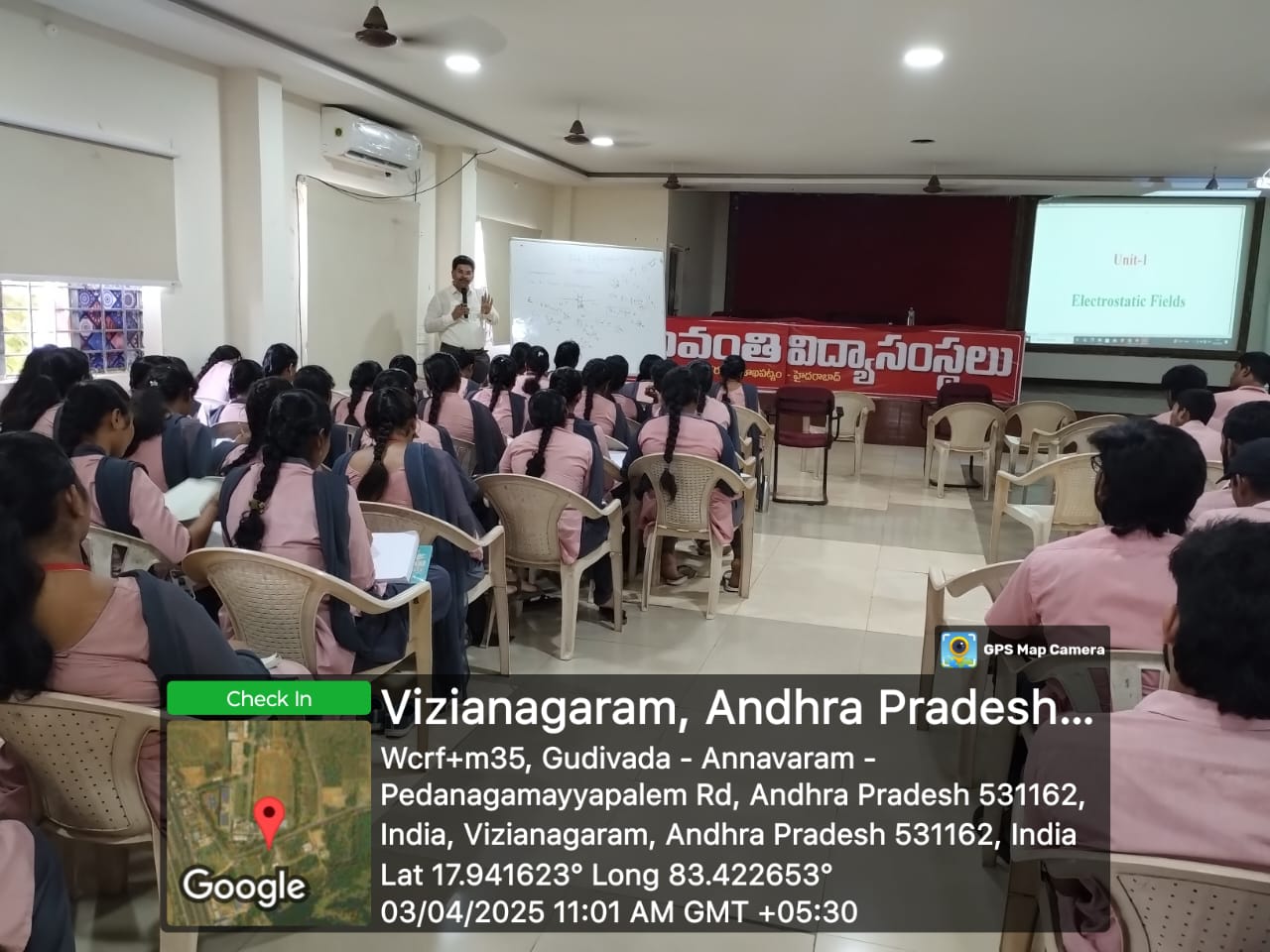
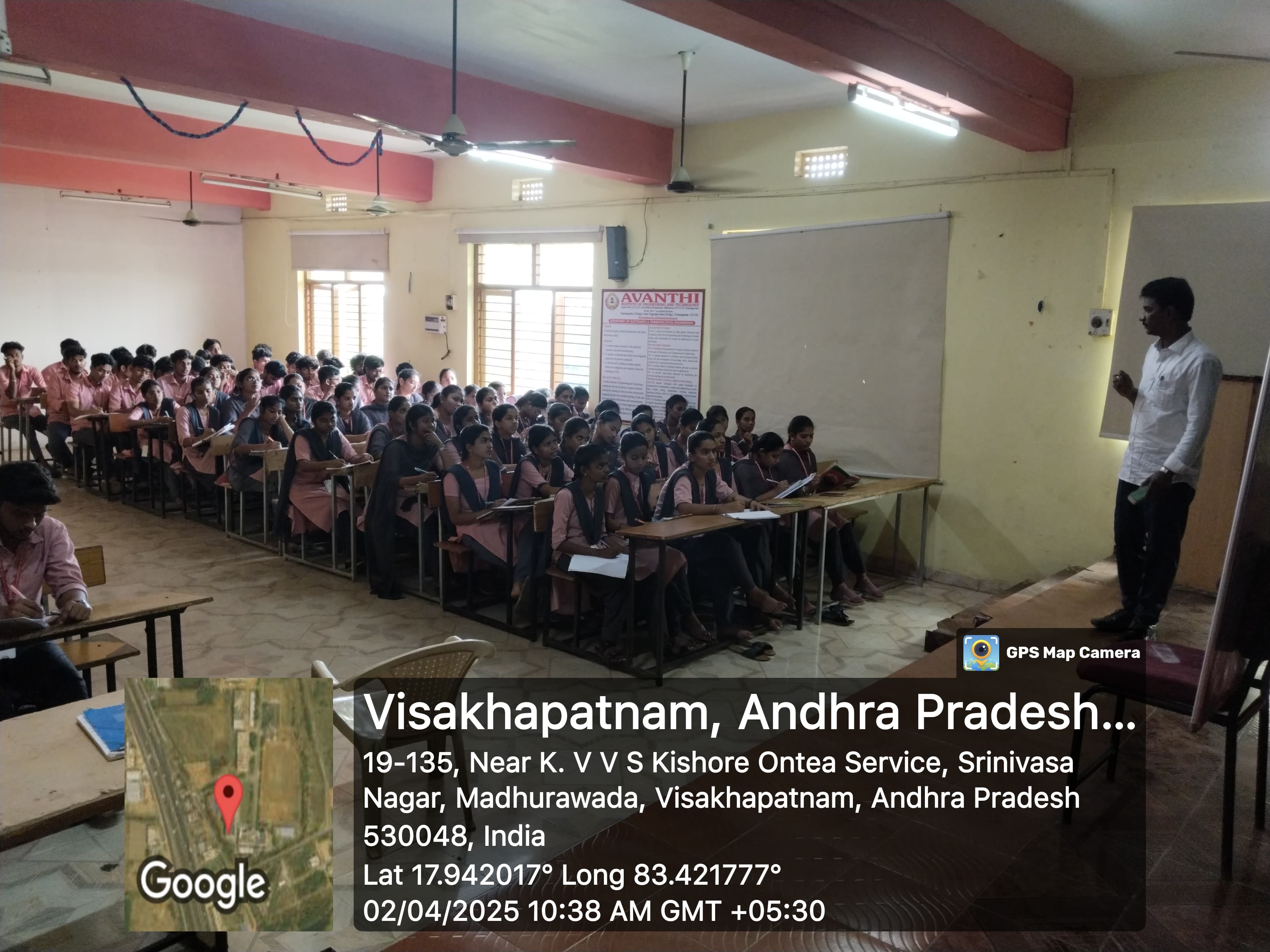
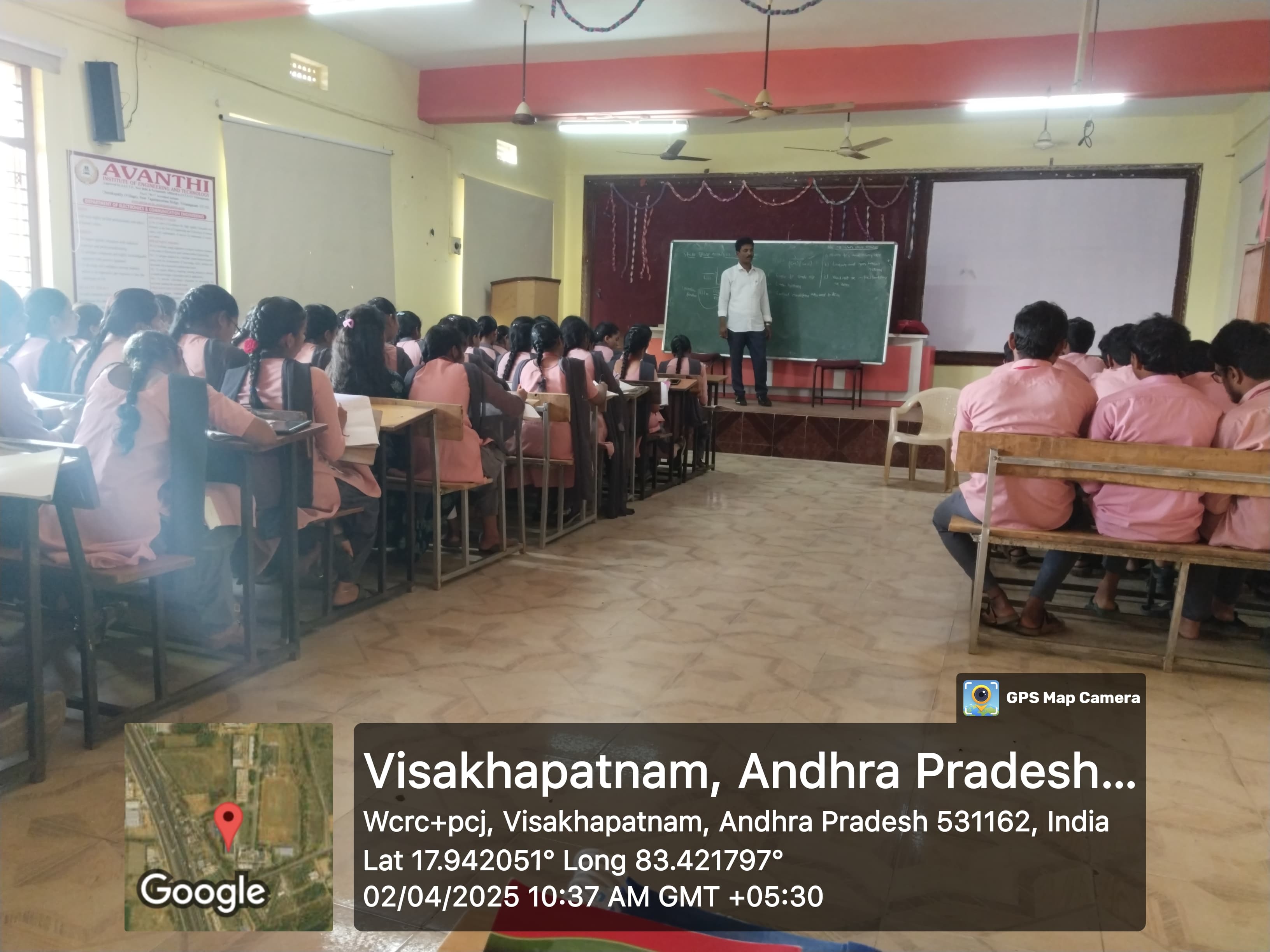
Guest Lecture on LCS
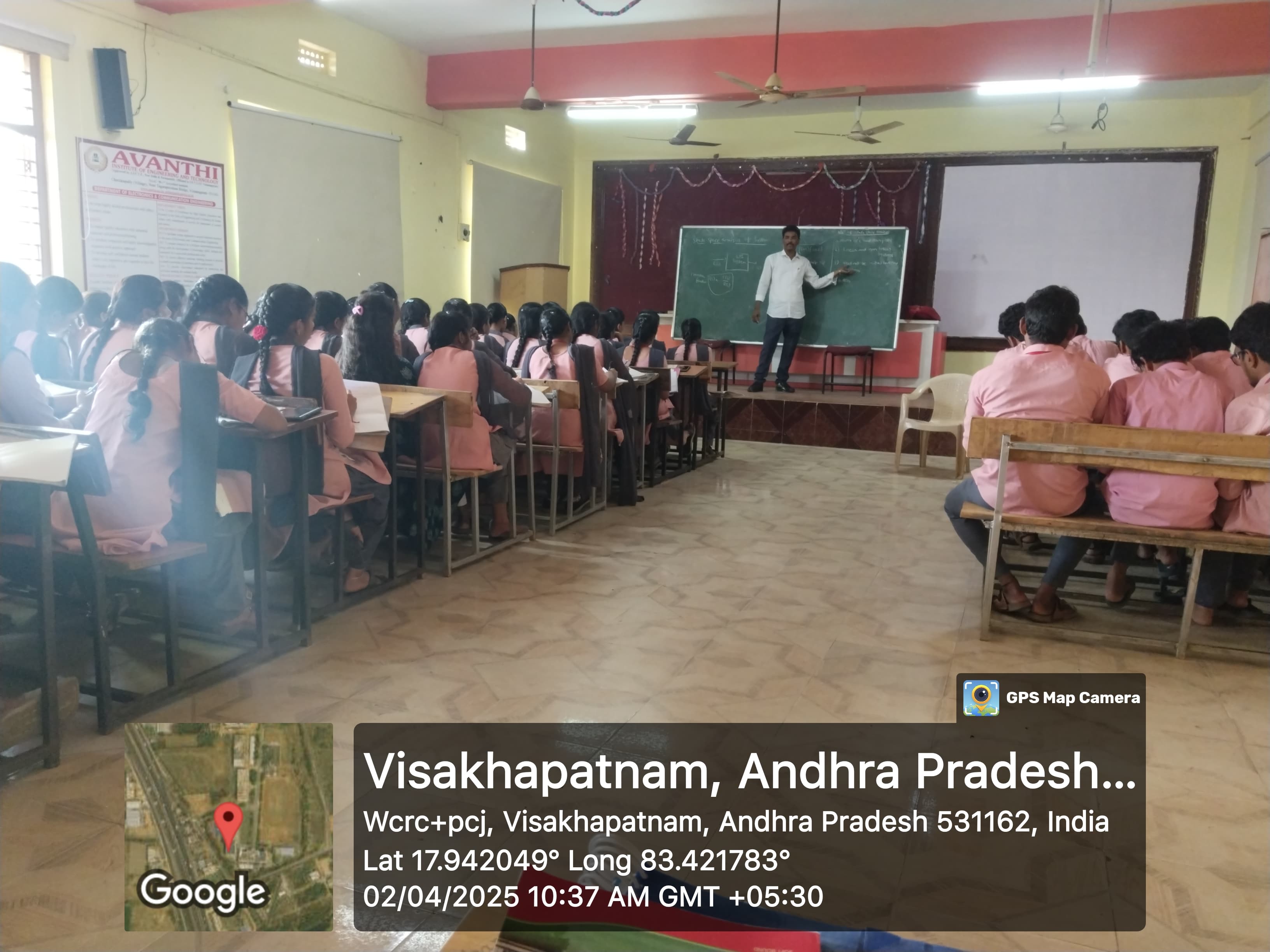
The Department of ECE conducted a guest lecture on LCS for II ECE students on 02/04/2025 by Dr. D. Suresh, Associate Professor from GMRIT.
Industrial Visits
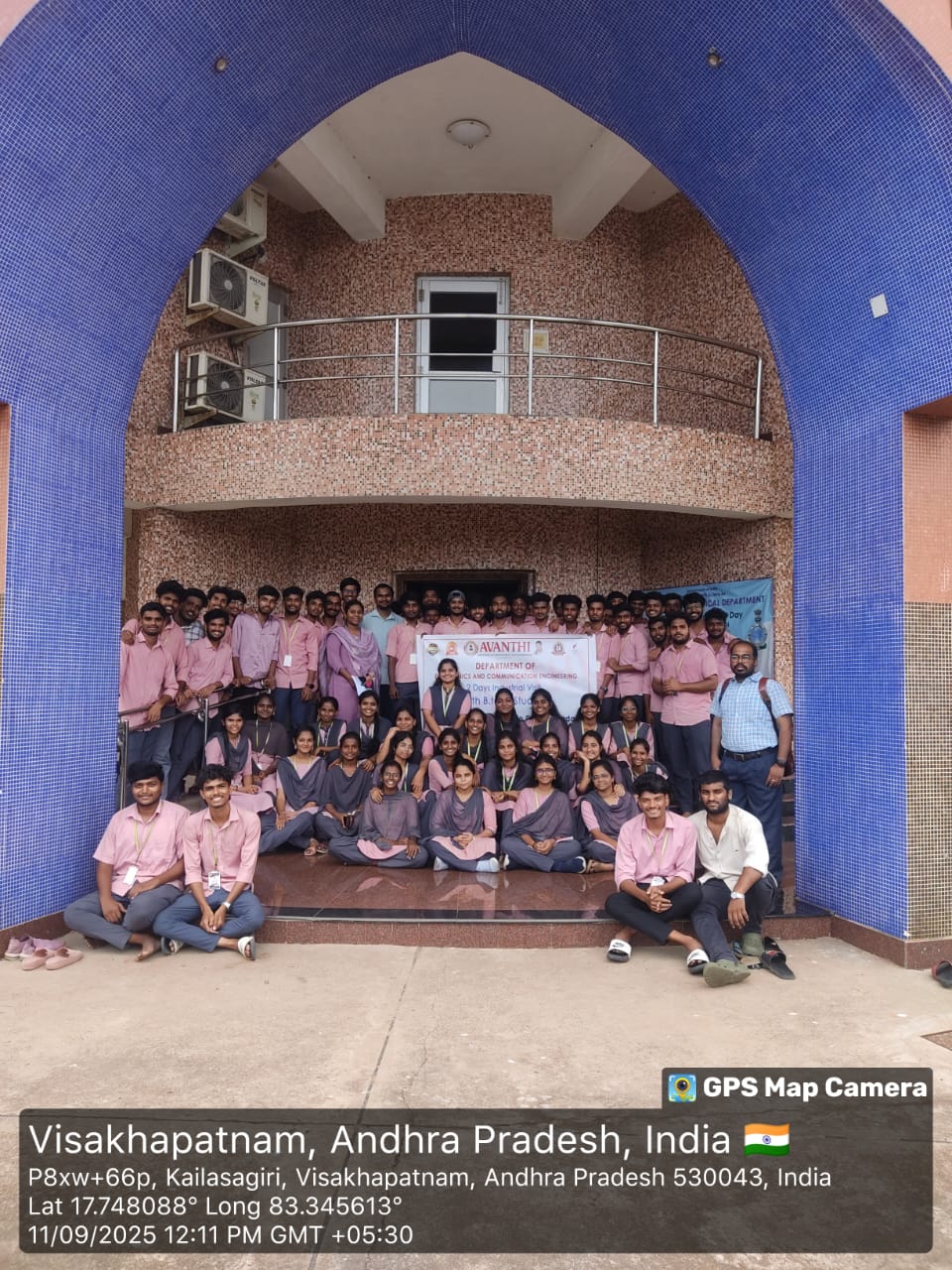
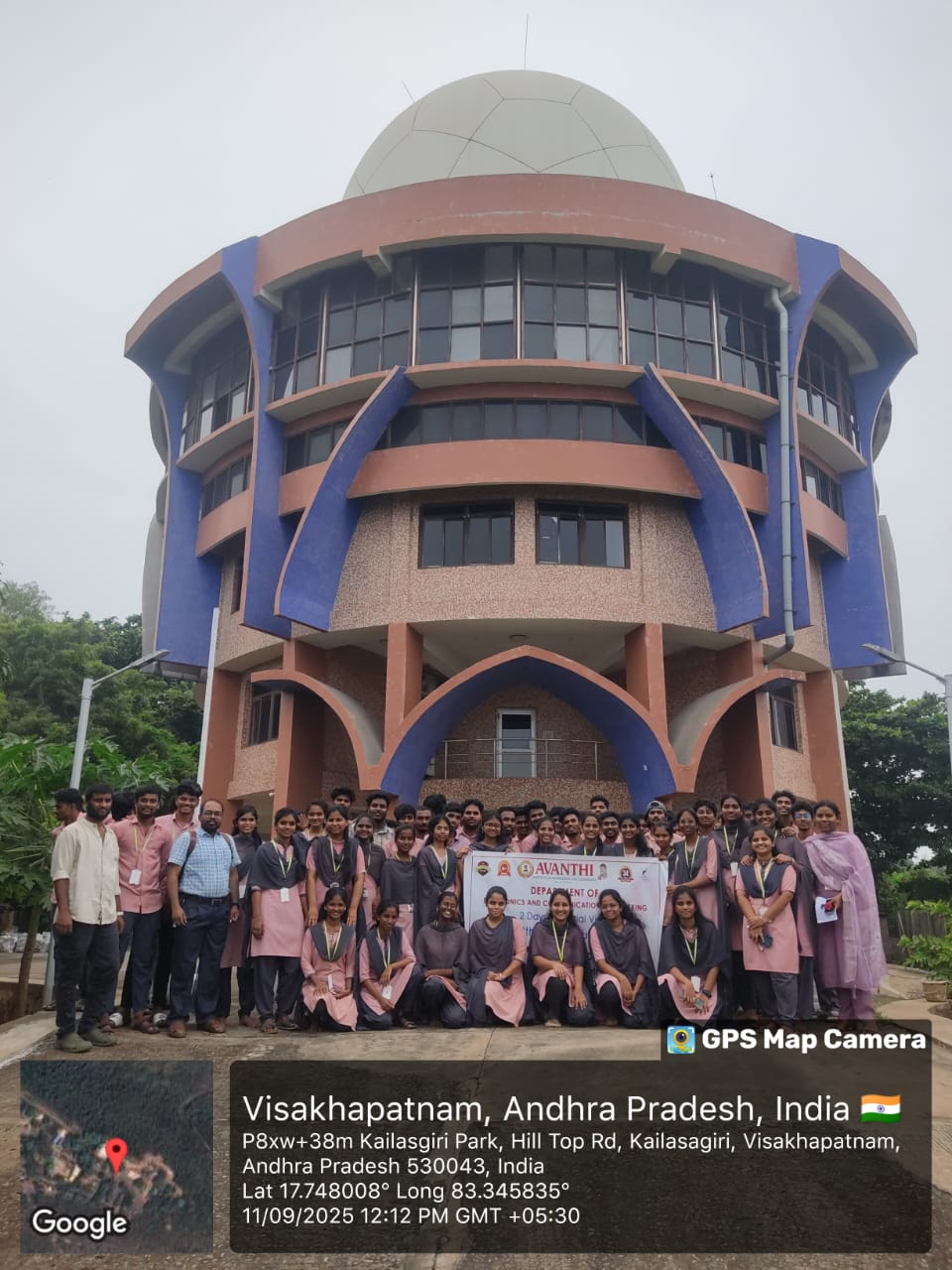
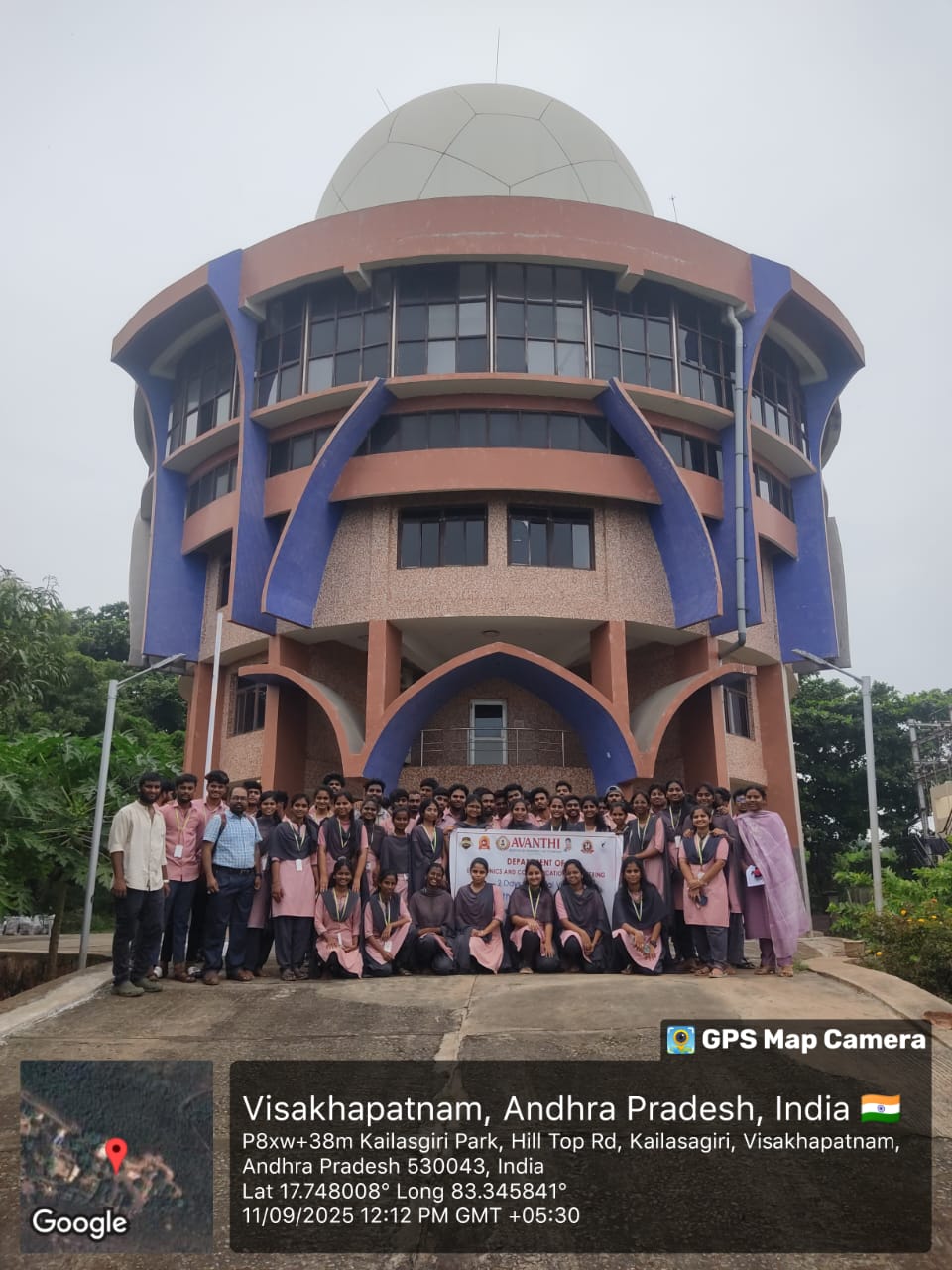
Final year ECE students are taken on industrial visits to research and defence organizations to gain exposure to real-world applications of electronics and communication engineering.
Industrial Visit to Doppler Radar, Visakhapatnam
Final year ECE students headed to Doppler Radar, Visakhapatnam for an industrial visit.
Alumni
Proud Alumni Network
Our alumni continue to make remarkable contributions across the globe in diverse fields of Electronics & Communication Engineering, in industry, research and entrepreneurship. Detailed alumni profiles will be published here soon.
Department Gallery
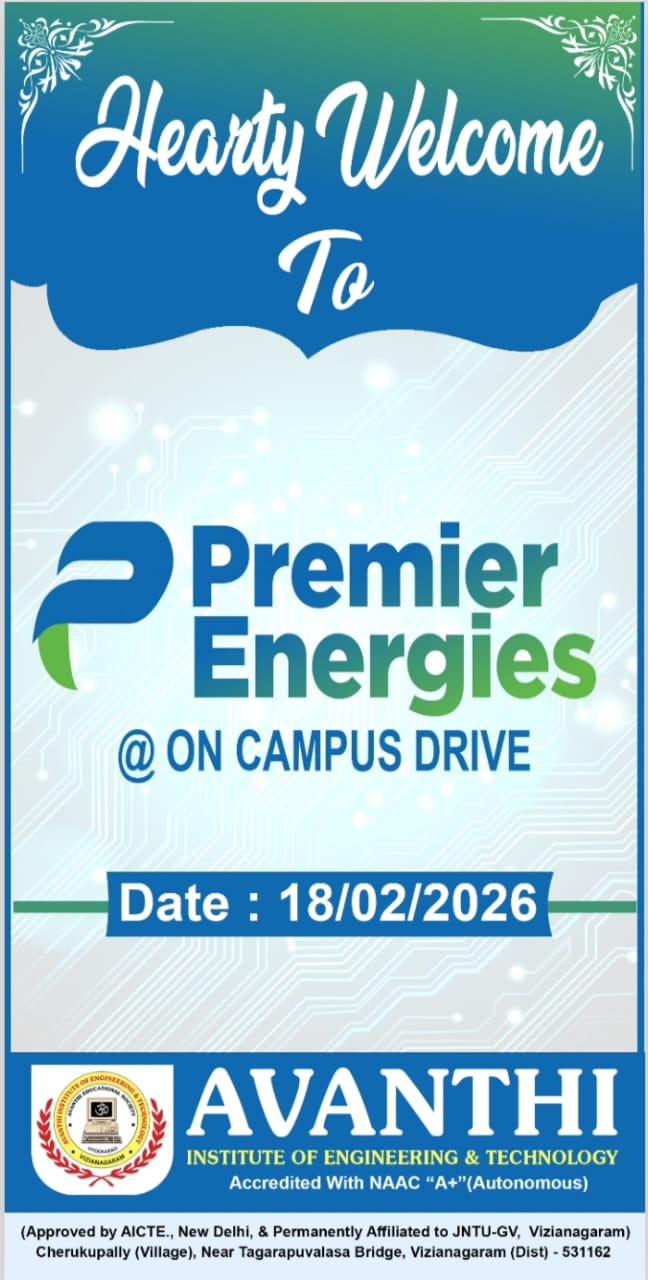
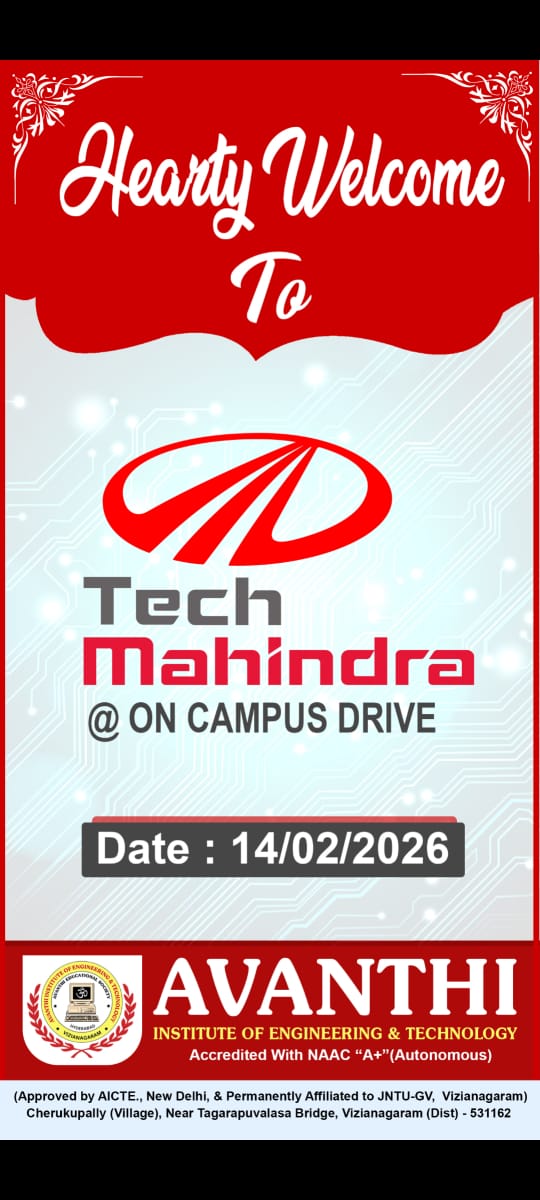
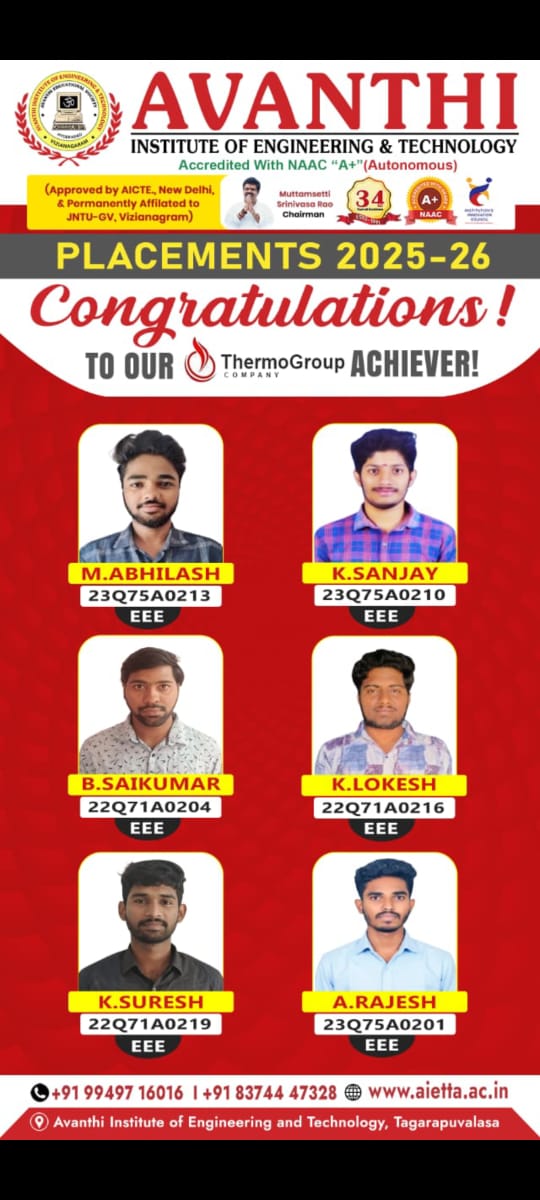
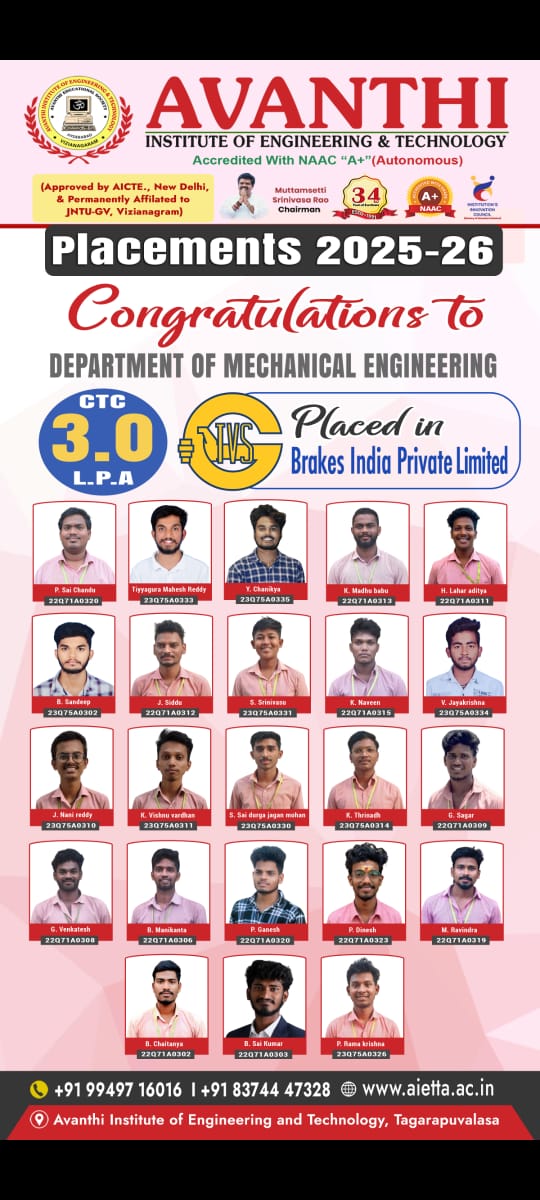
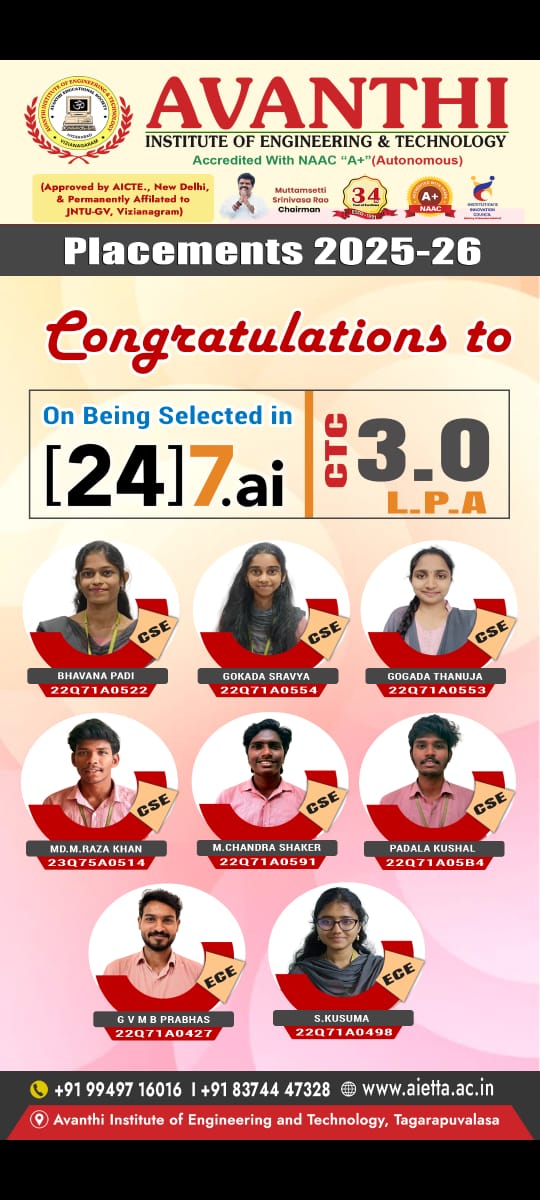
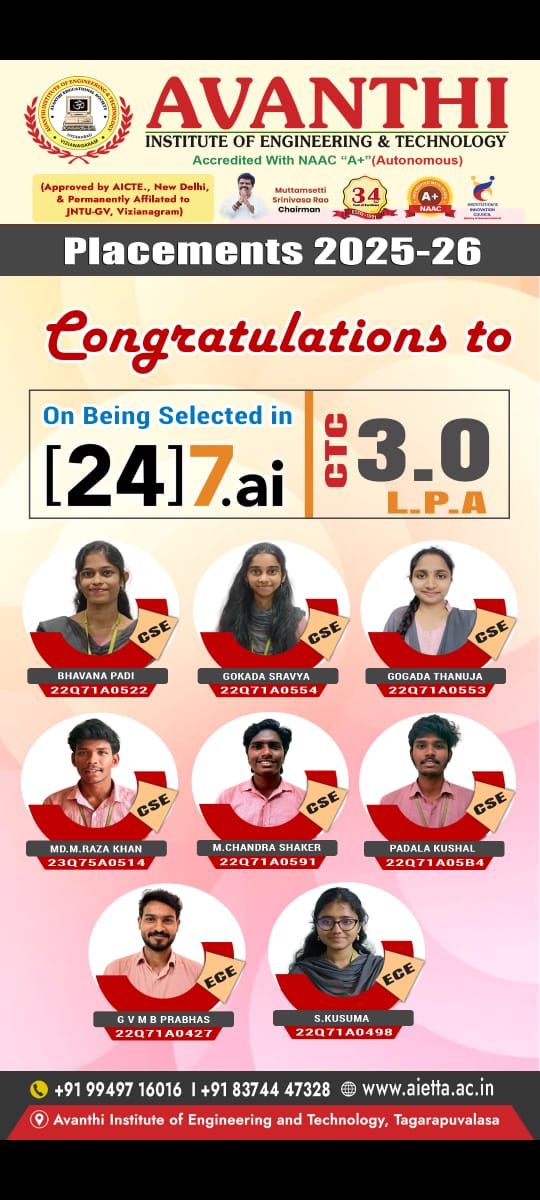
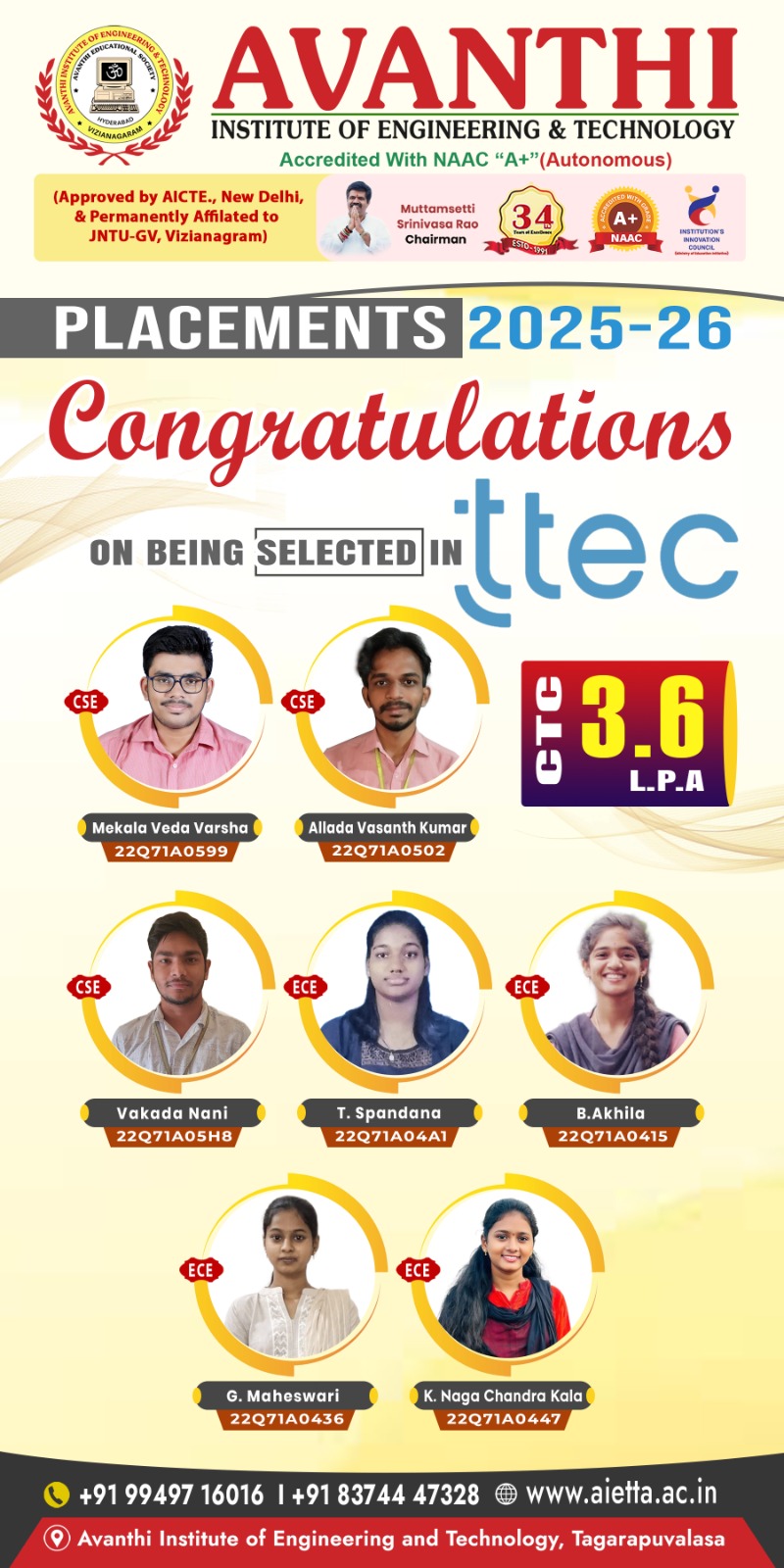
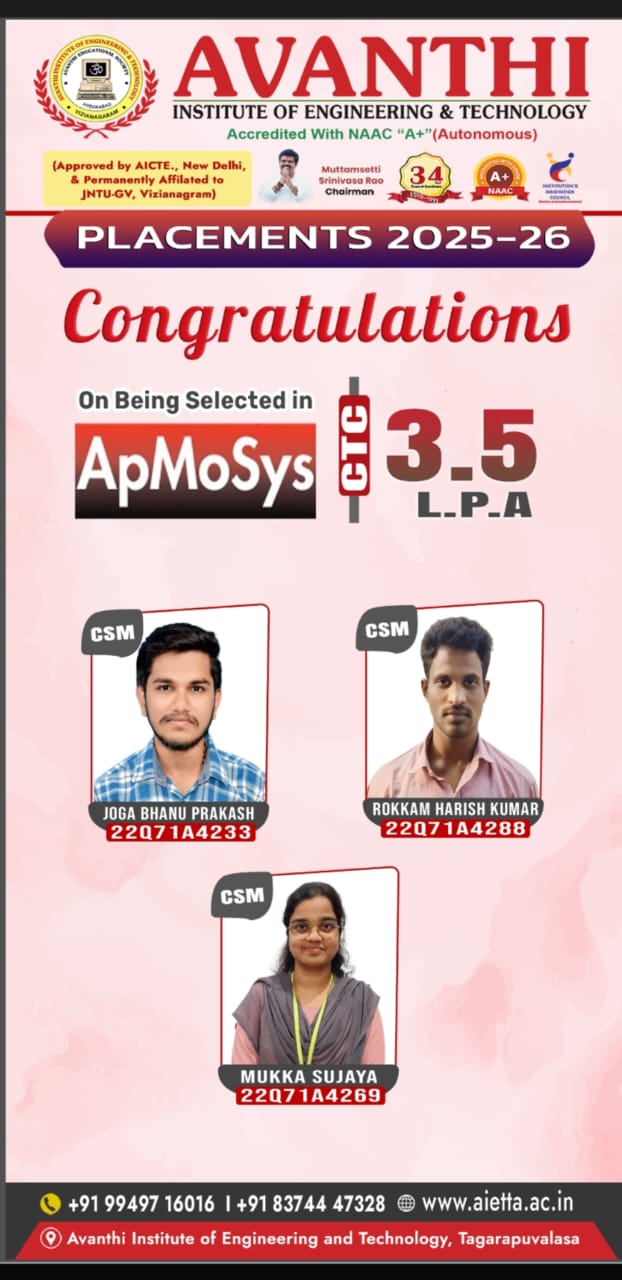
Placements 2025-2026

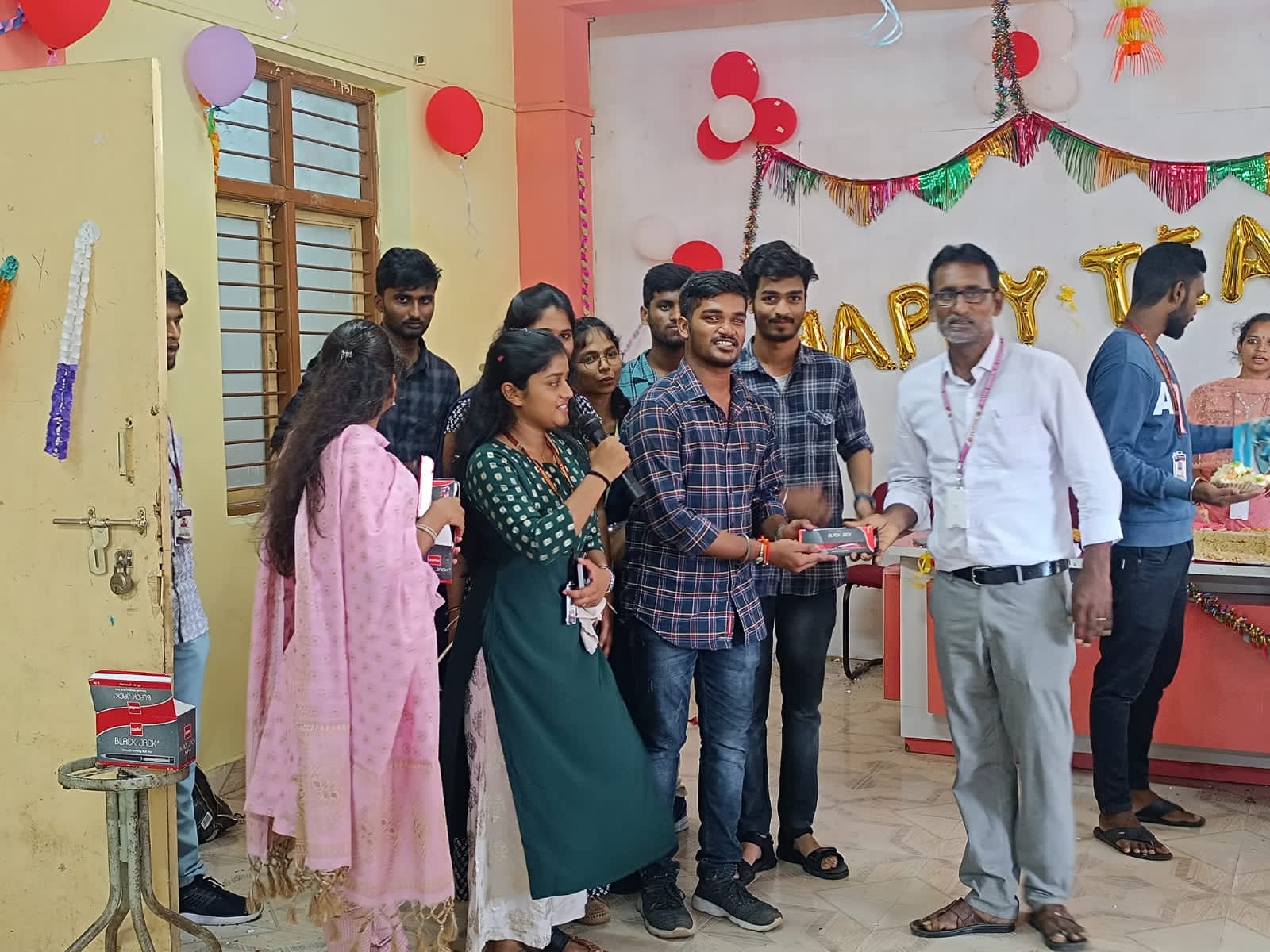
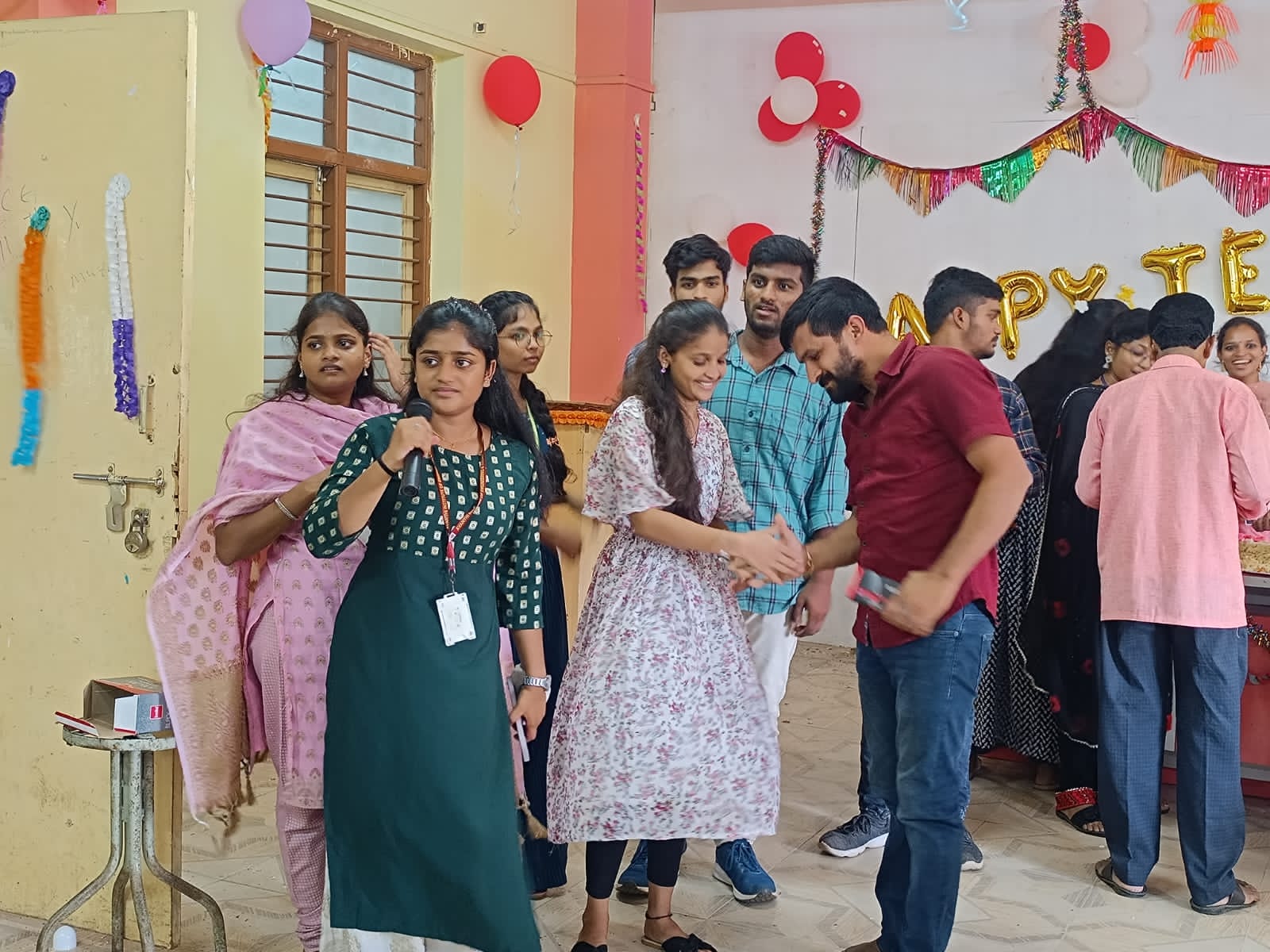
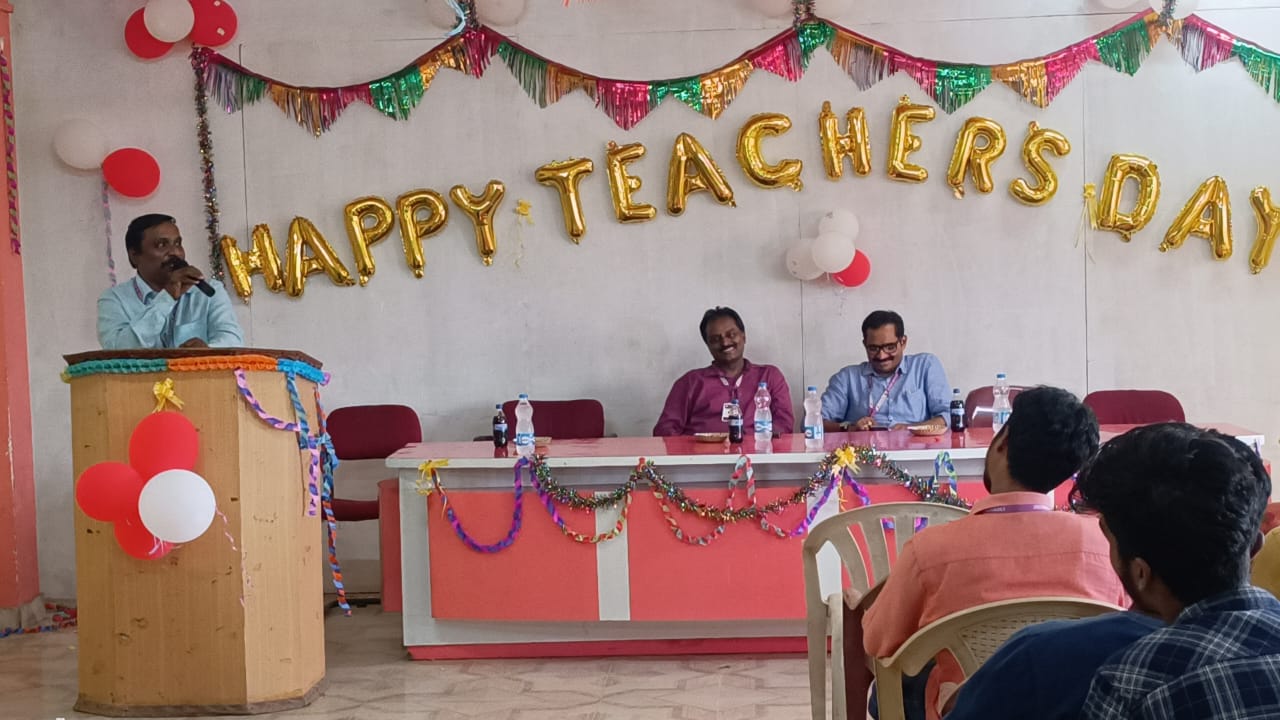
Teachers Day Celebrations
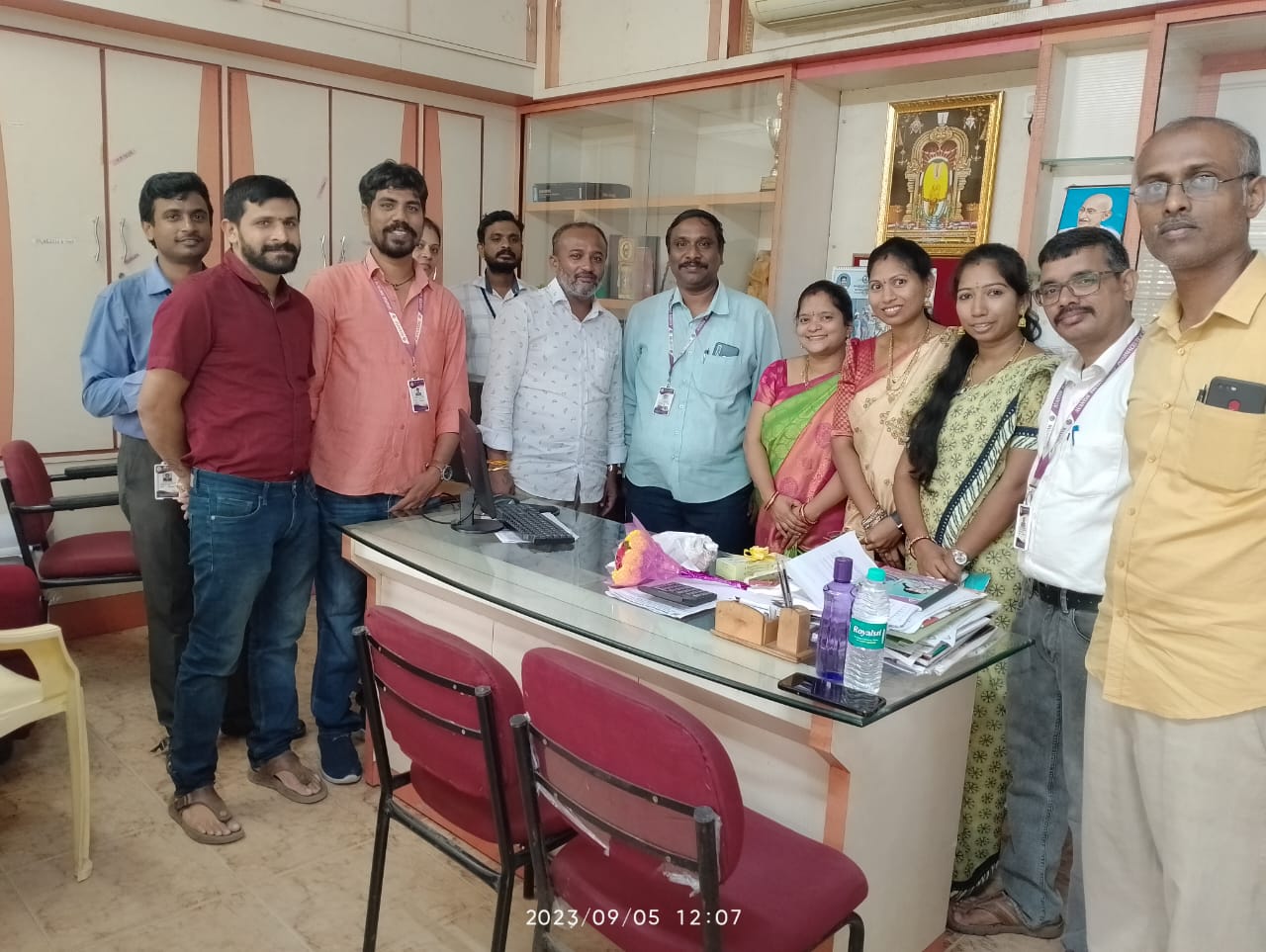
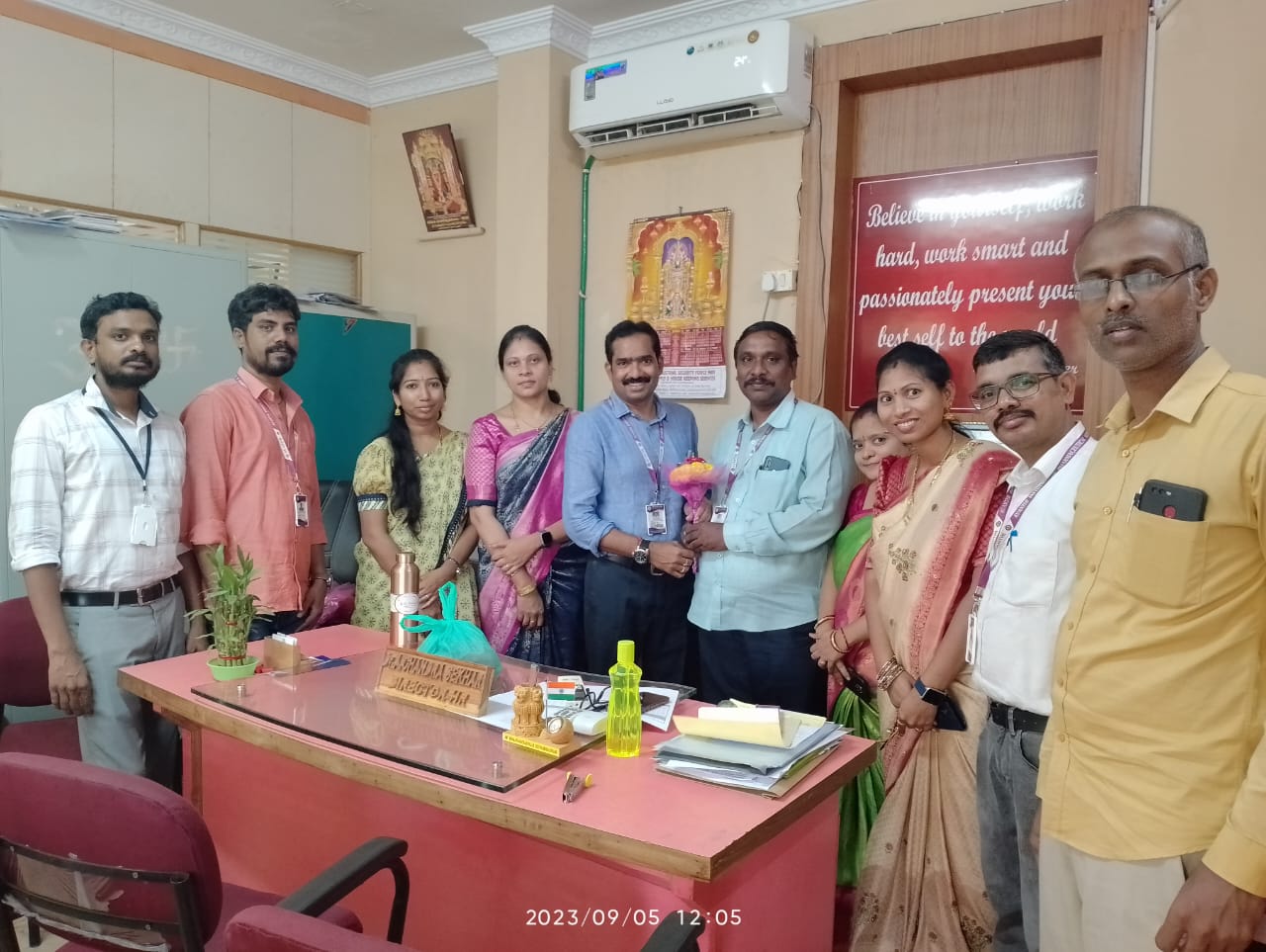
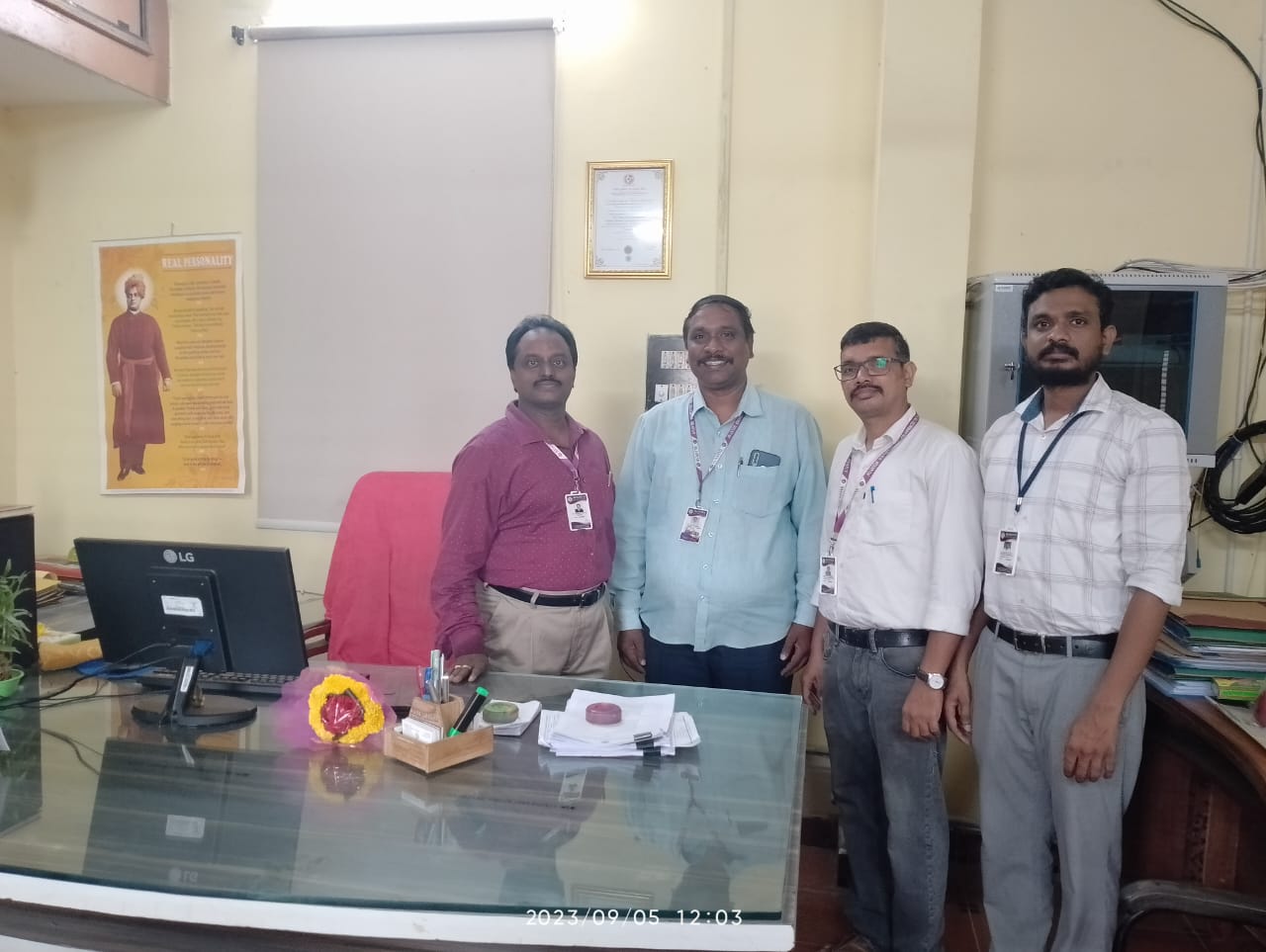
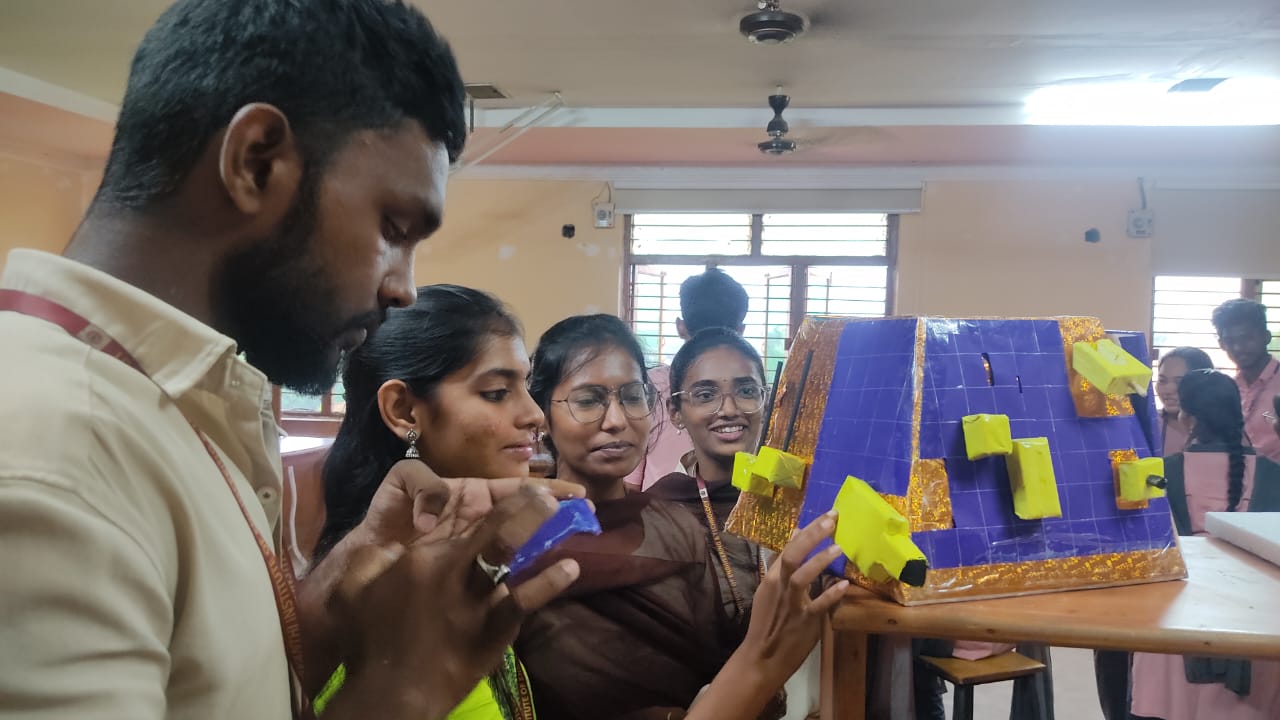
Engineers Day Celebrations
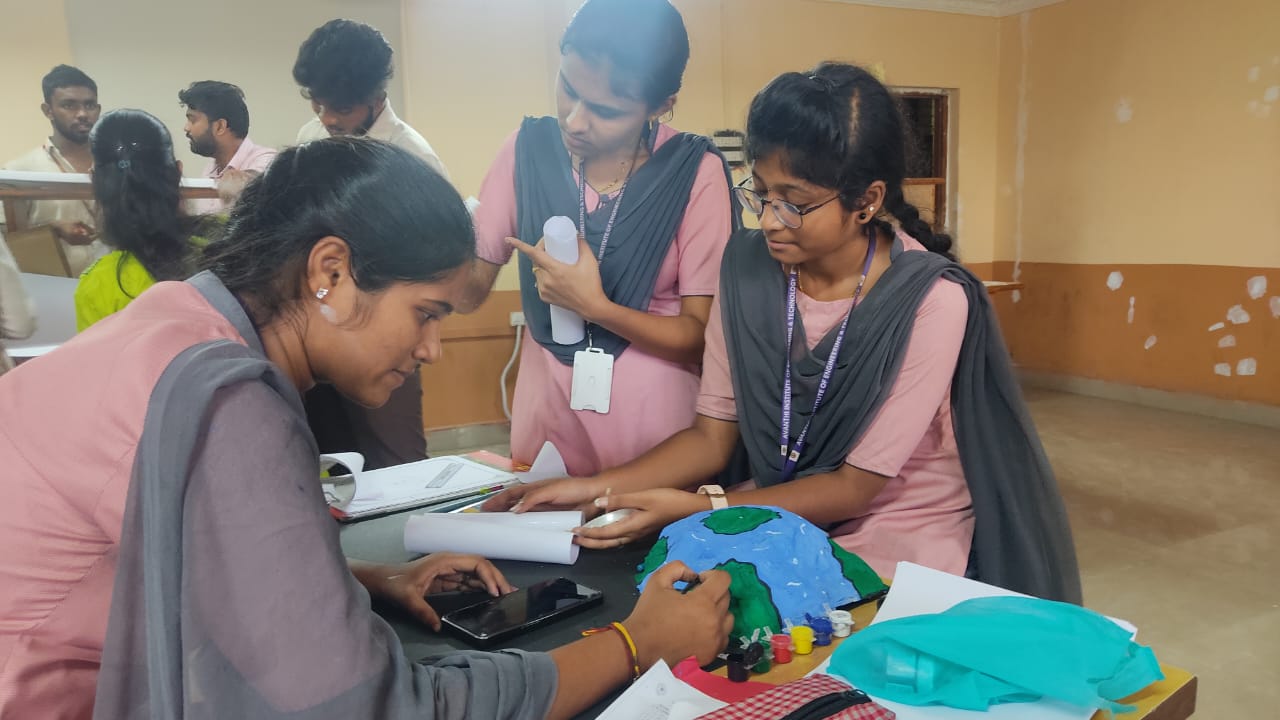
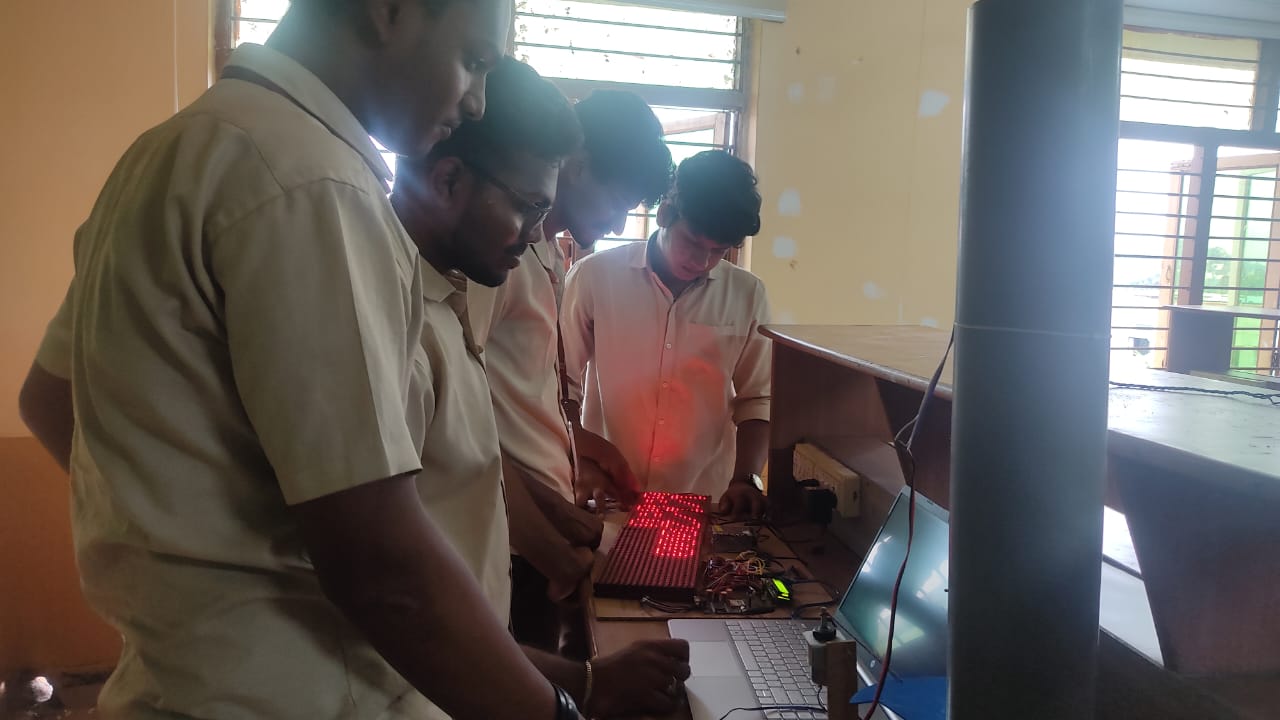
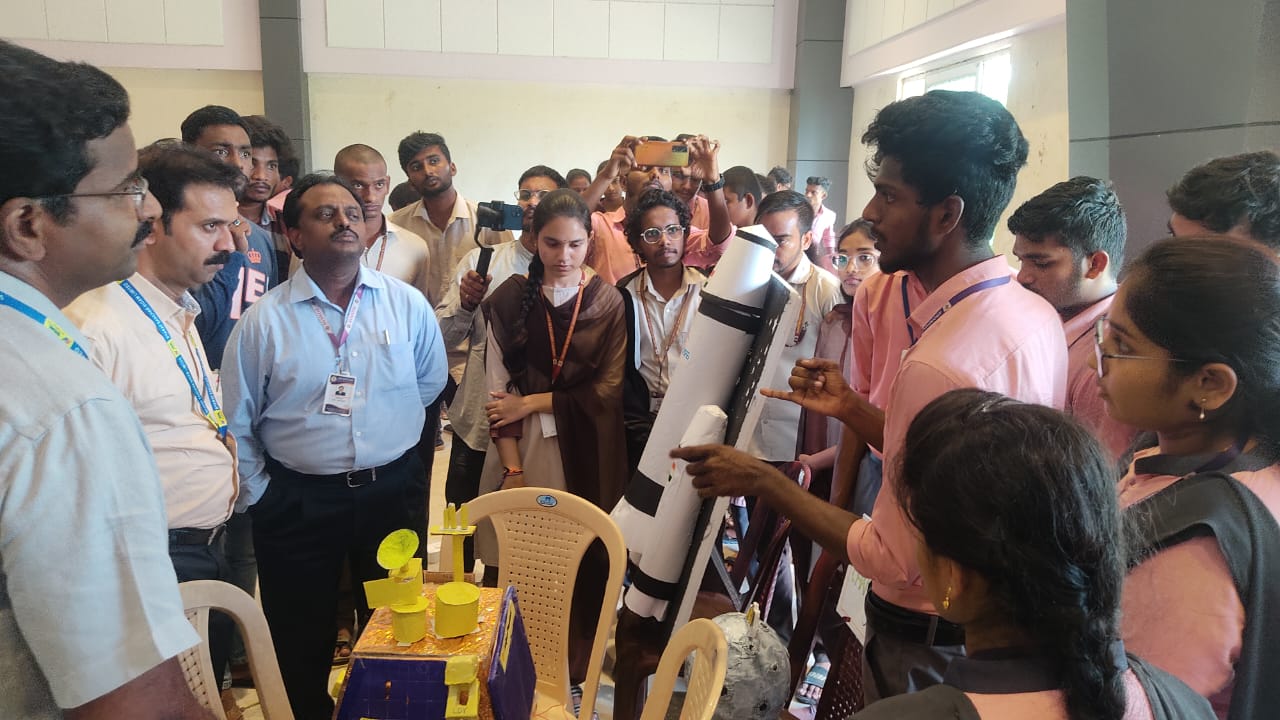
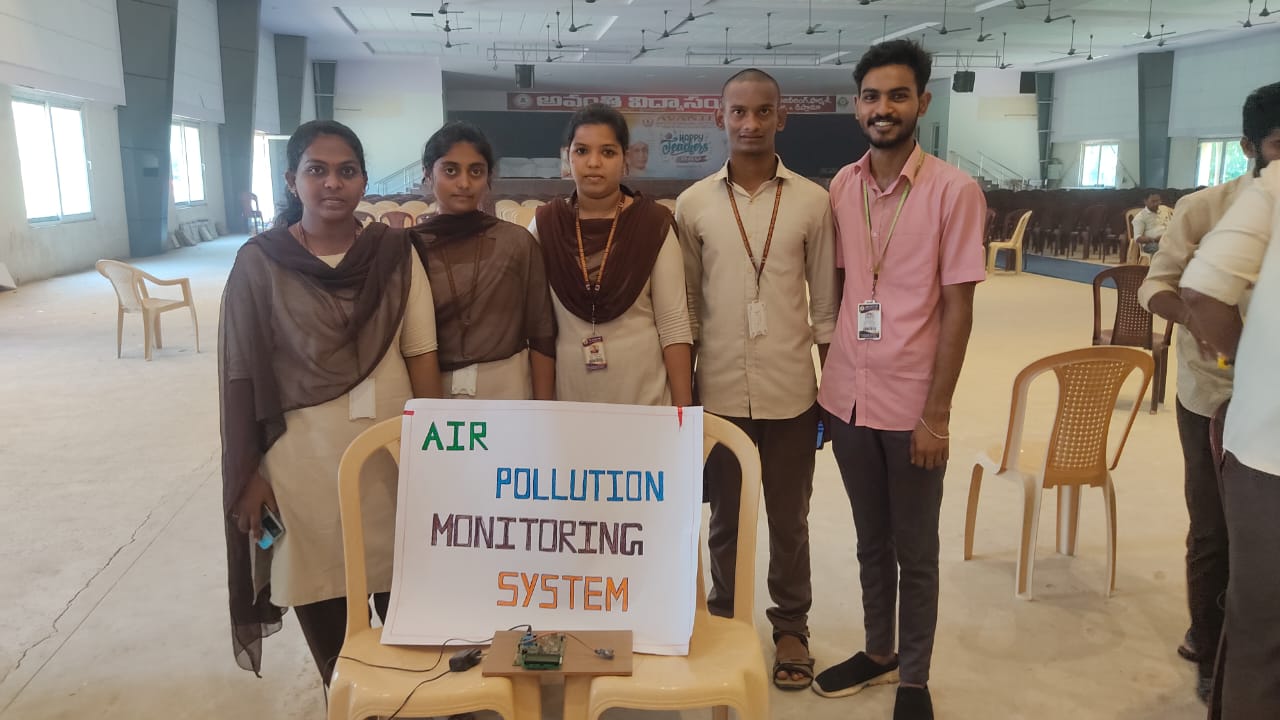
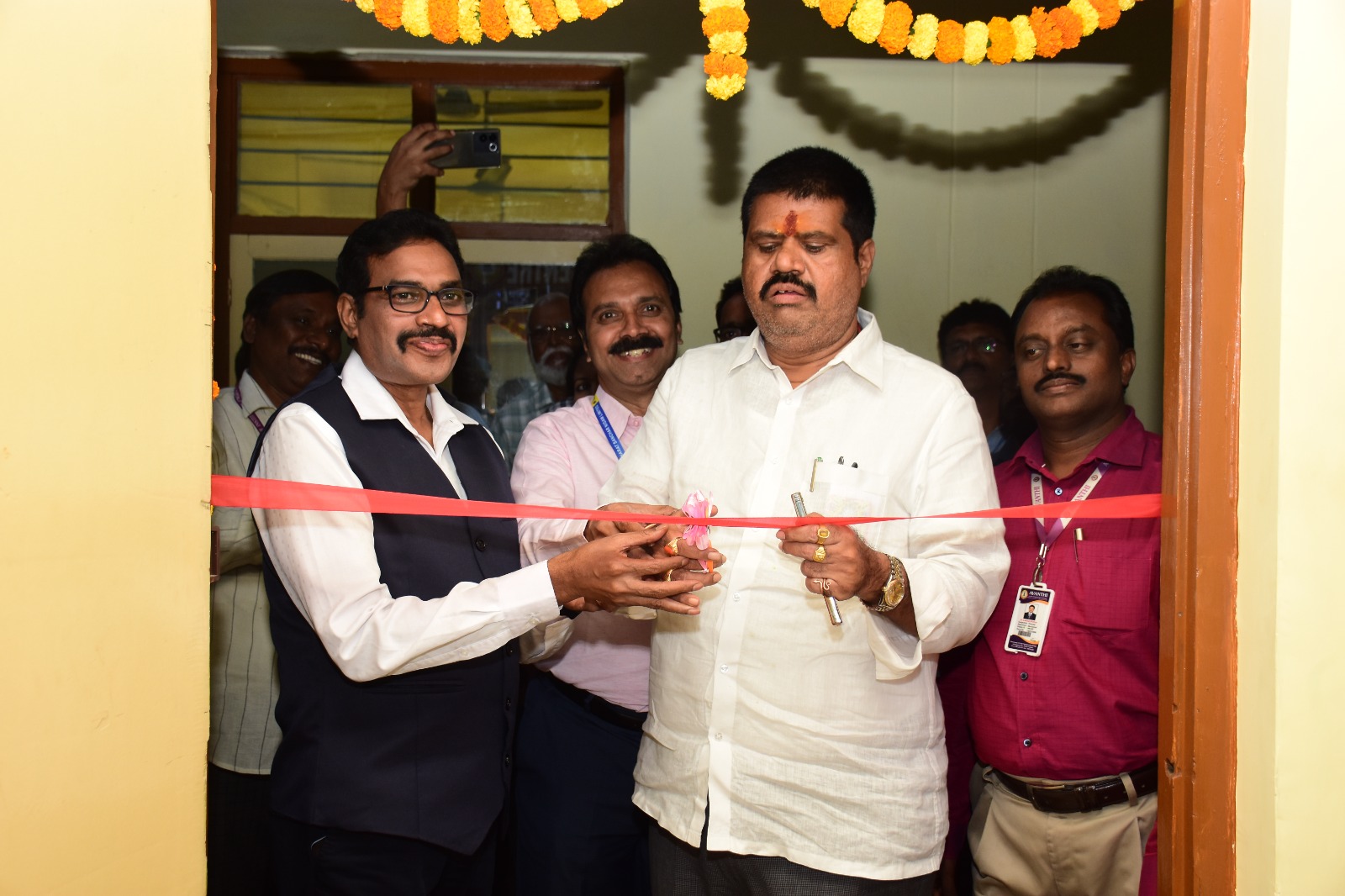
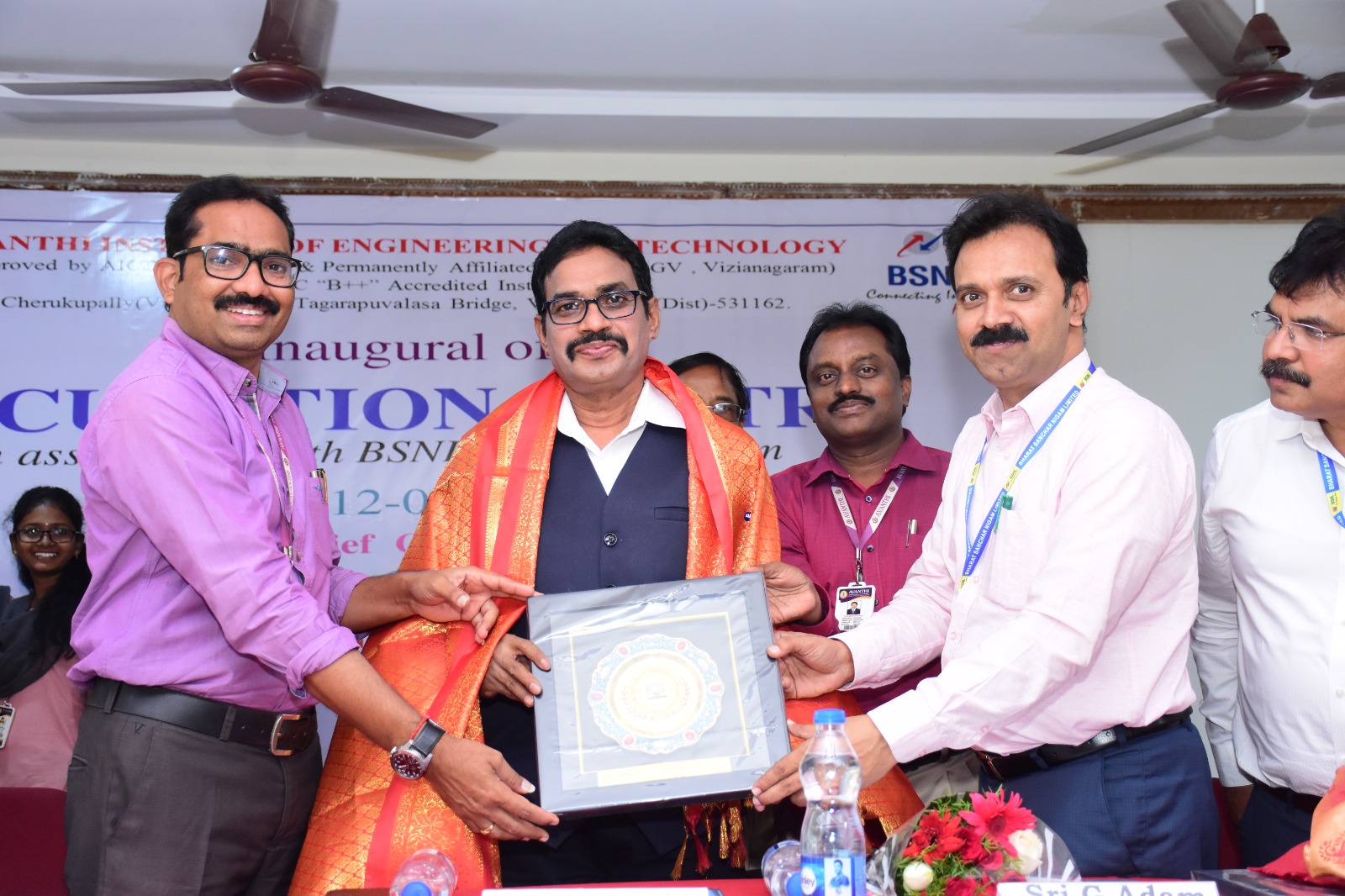
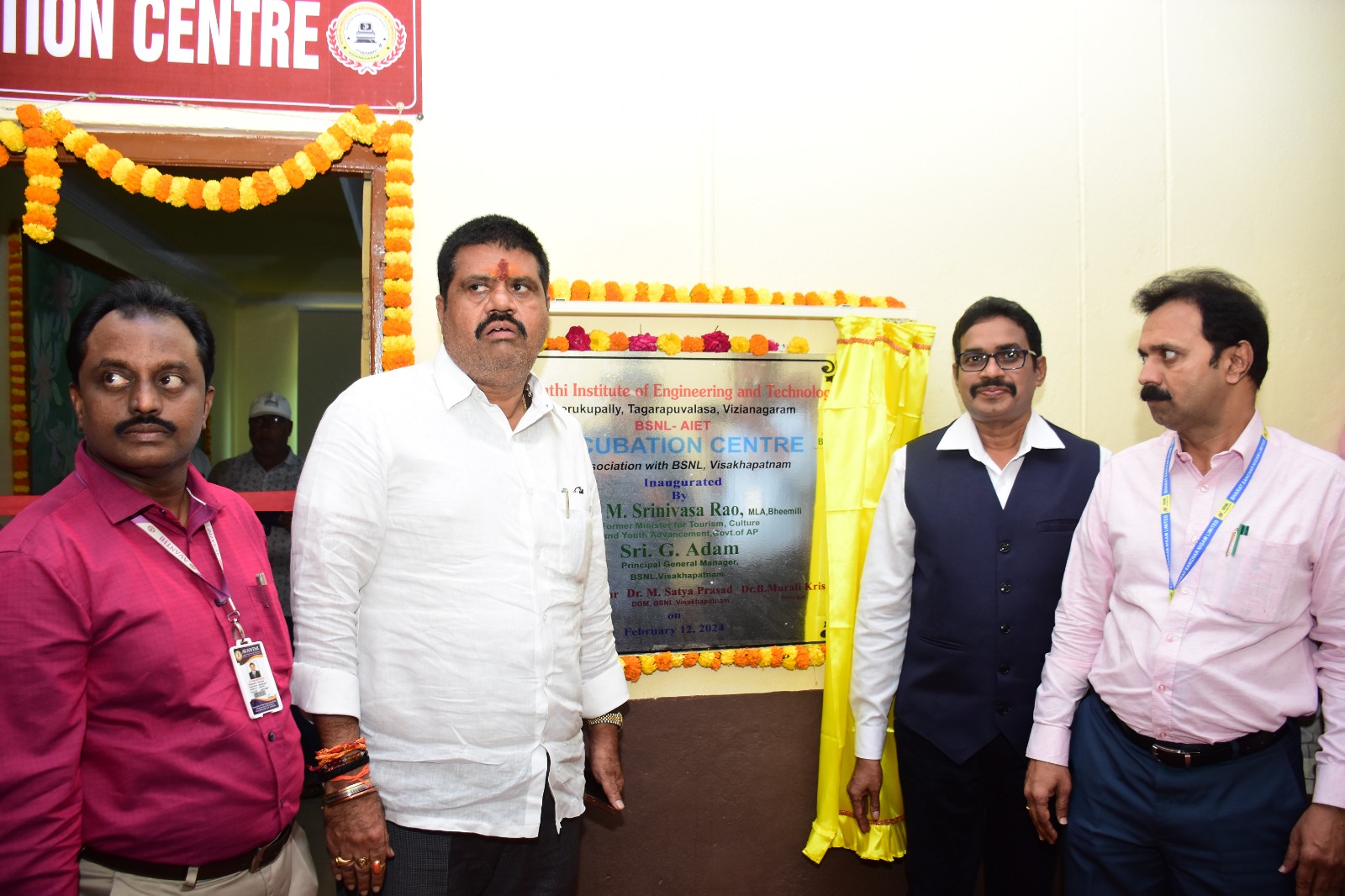
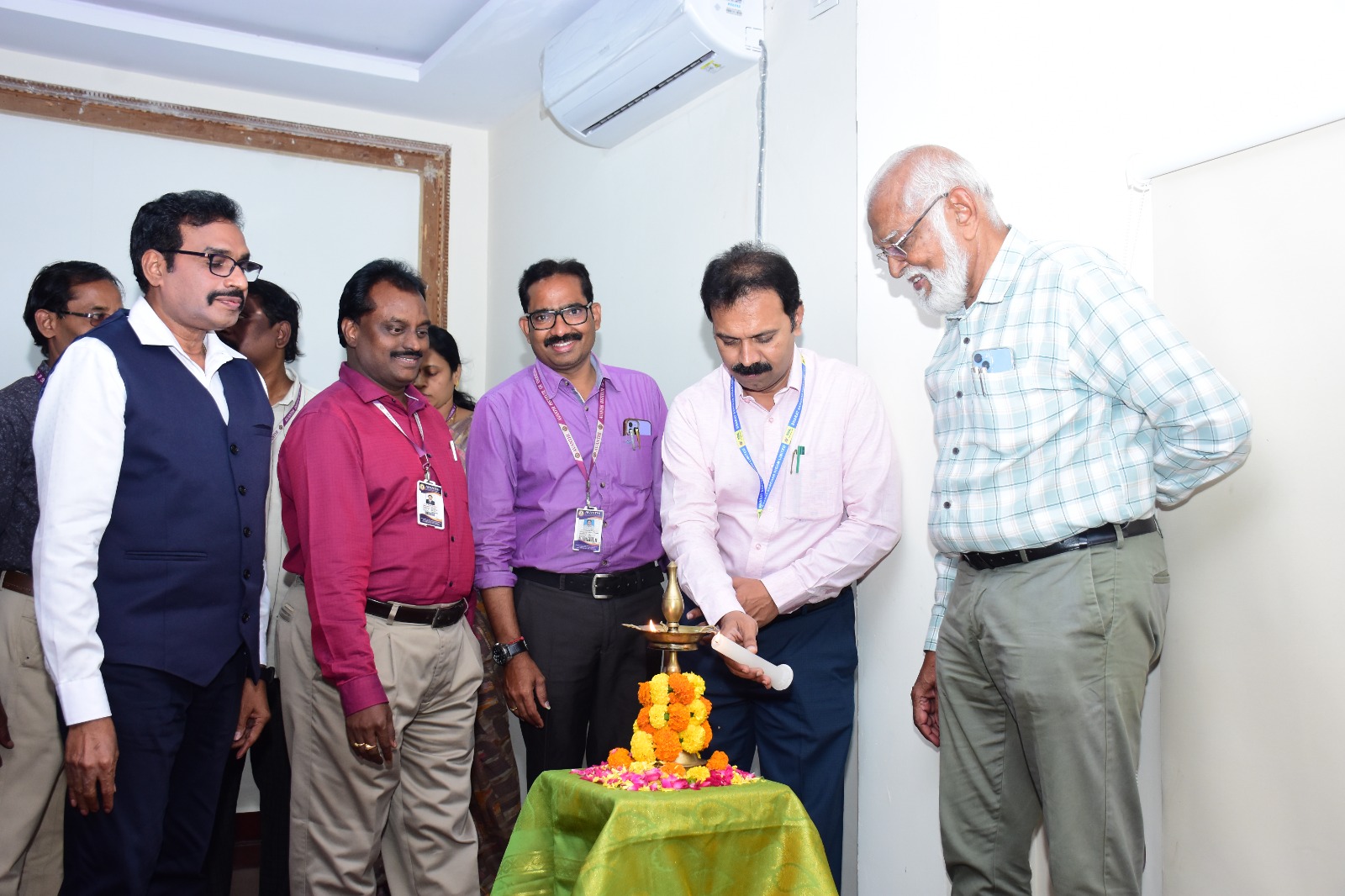
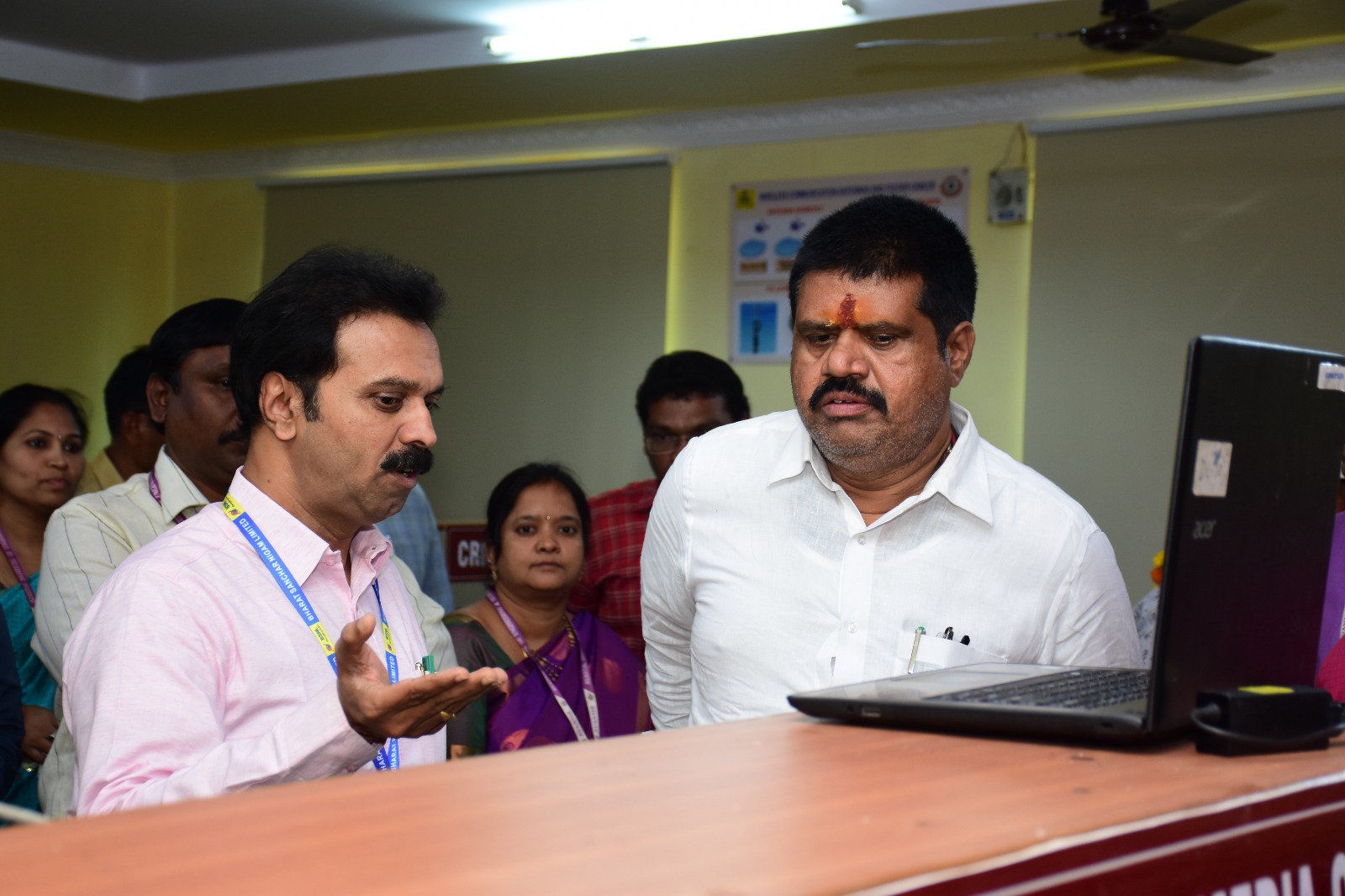
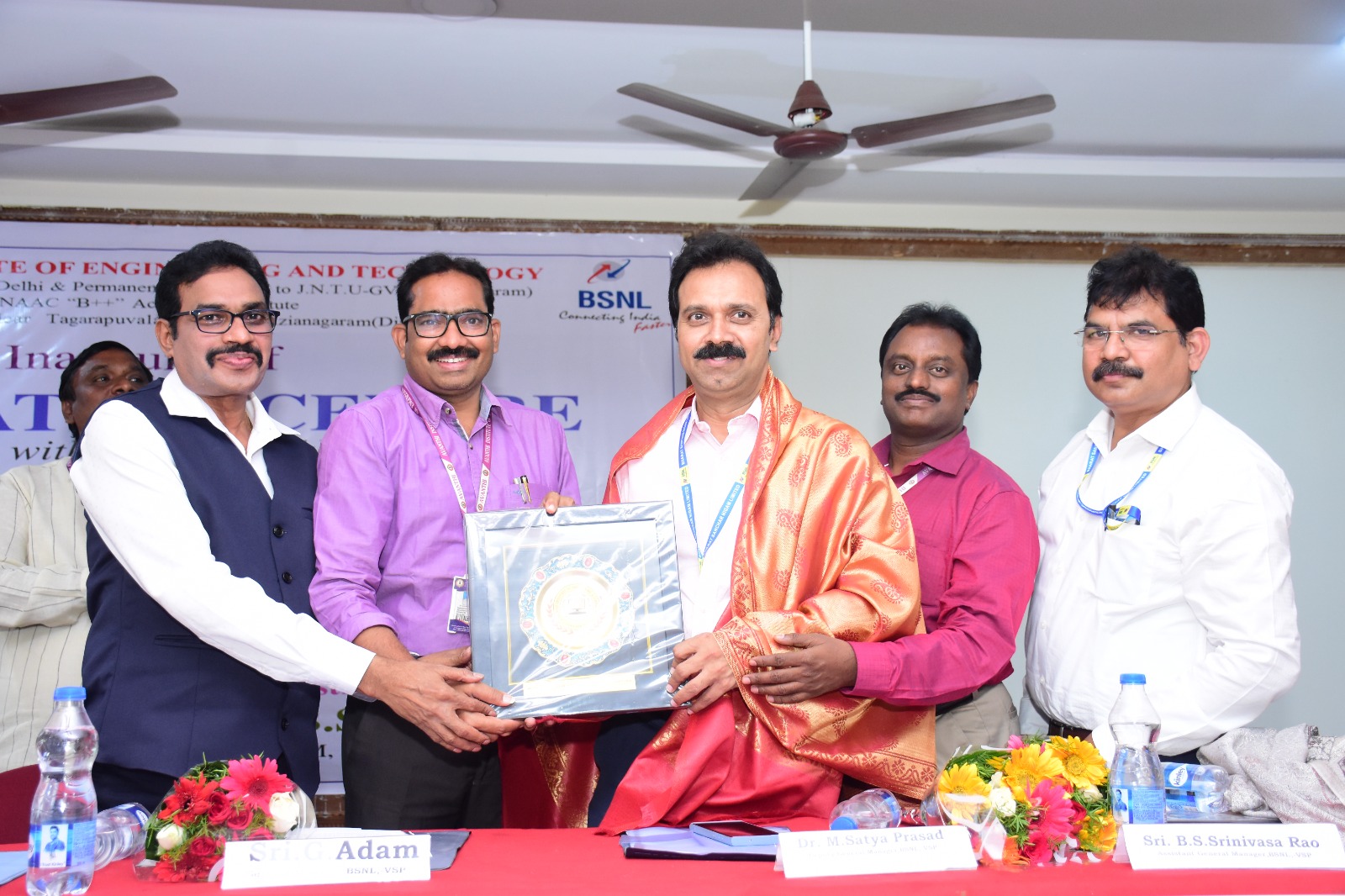
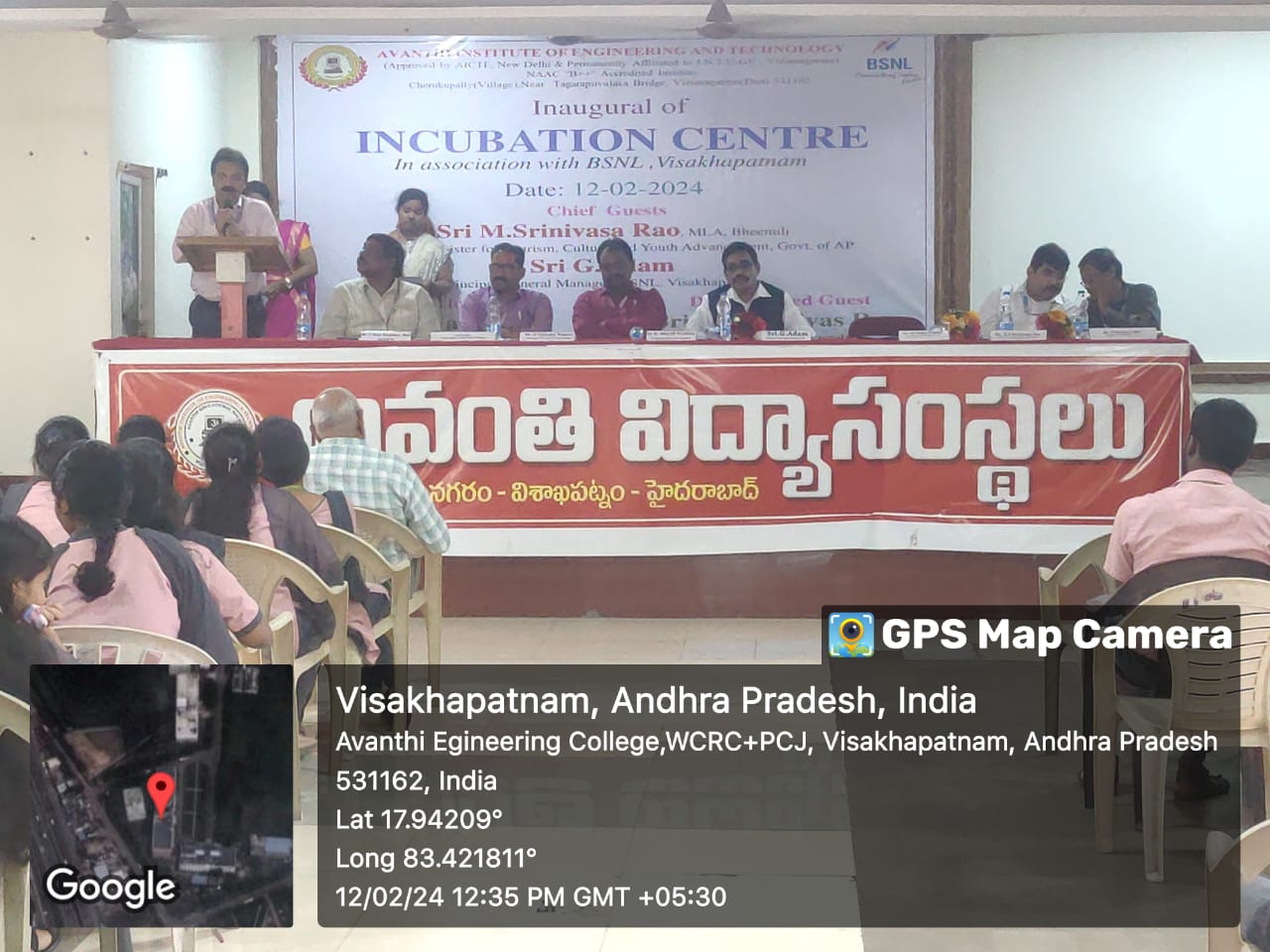
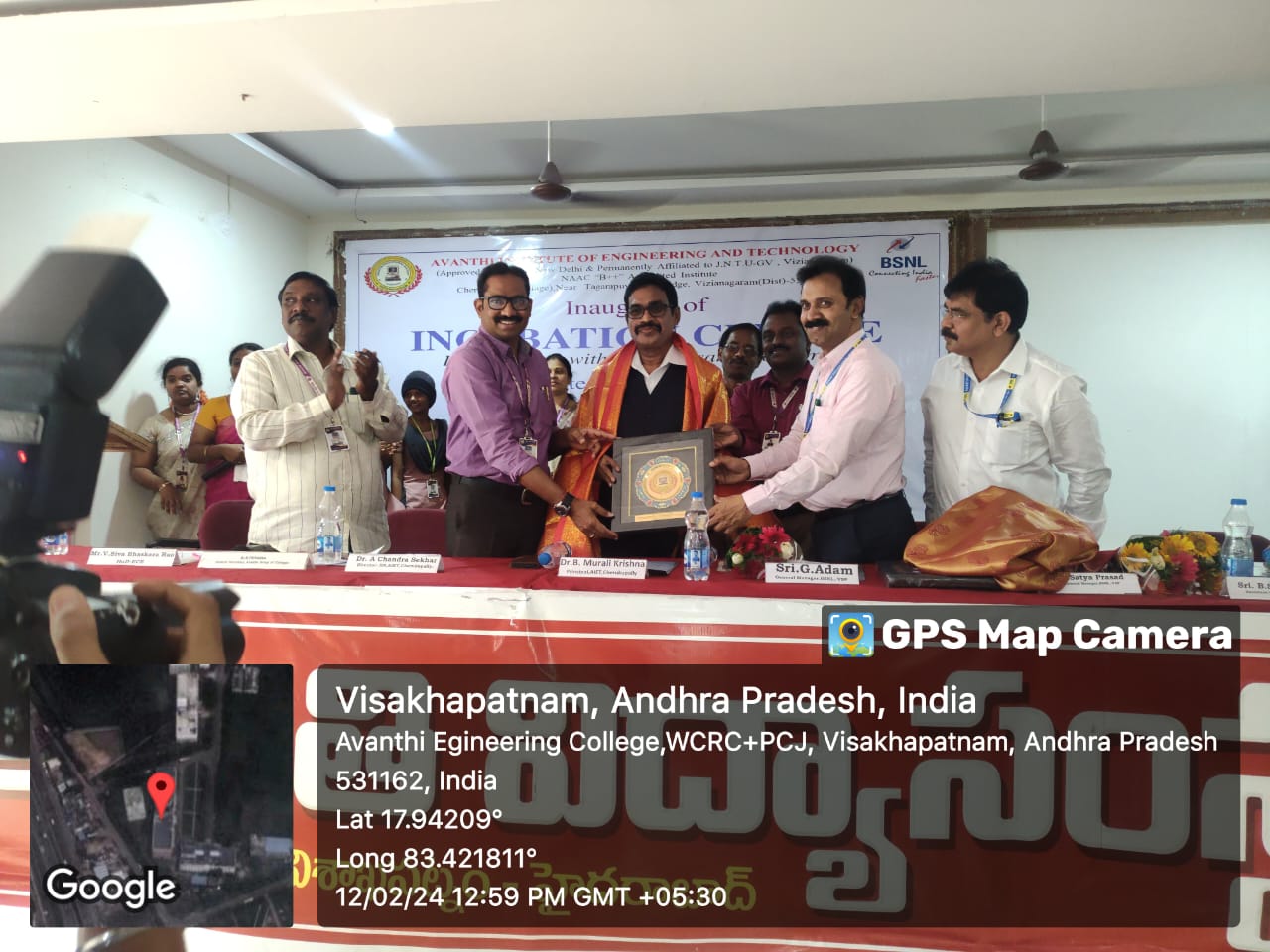
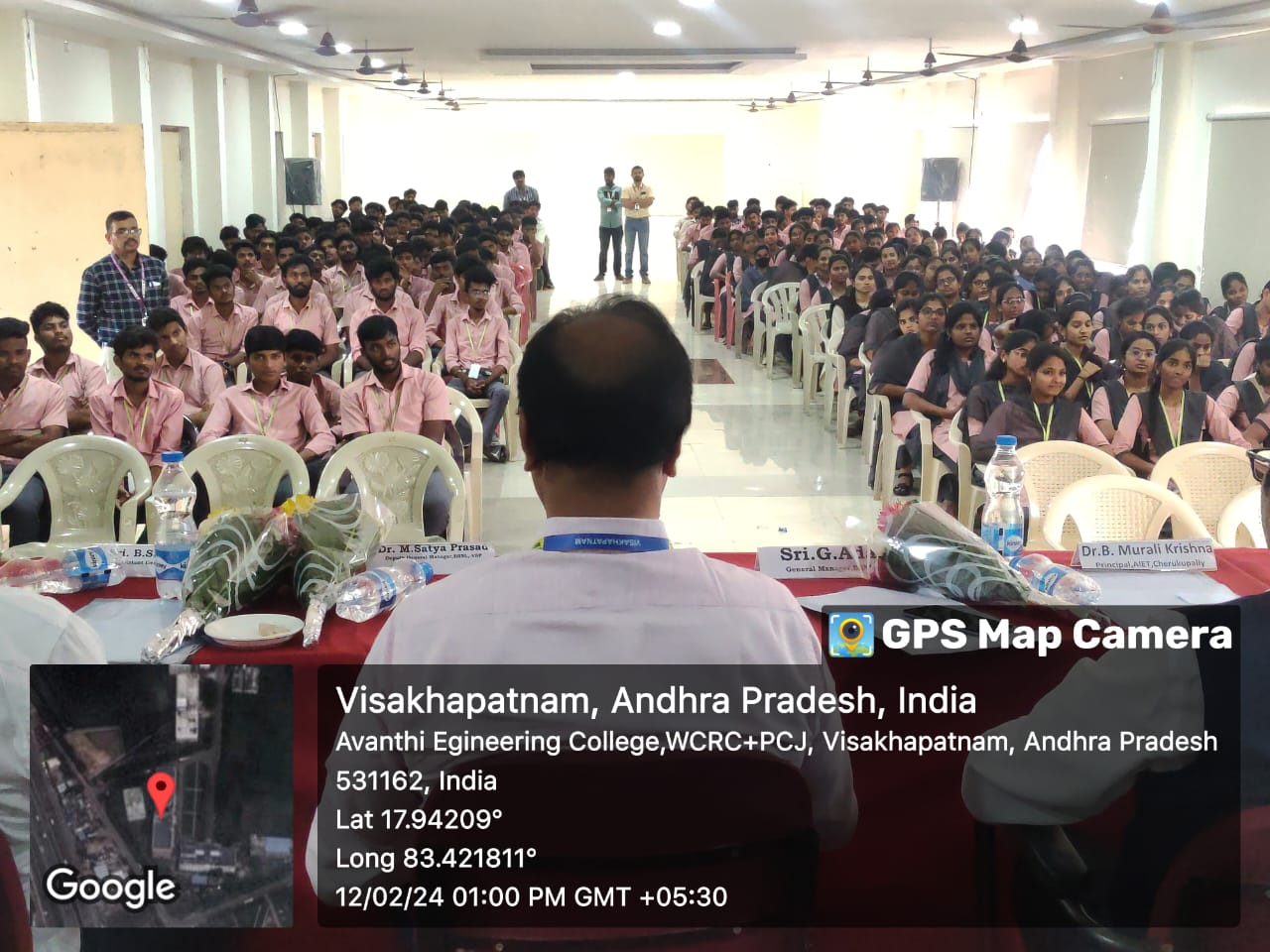
Inaugural Ceremony of Incubation Centre on 12-02-2024